
 English
 عربى
عربى 简体中文
简体中文
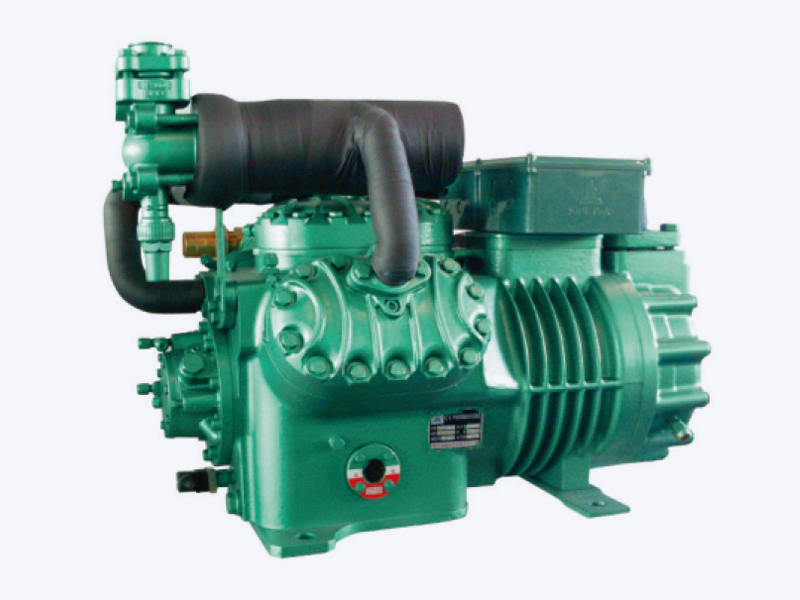
Design Dictates Heat Transfer Efficiency
The design of an Air-Cooled Condenser directly influences its heat transfer performance, with factors such as fin density, tube arrangement, fan configuration, and material selection playing critical roles. Properly optimized designs can achieve up to 15-20% higher thermal efficiency under variable environmental conditions, whereas poorly designed condensers may suffer significant performance losses in high ambient temperatures or low airflow scenarios.
Impact of Tube and Fin Arrangement on Heat Transfer
The core heat exchange in an Air-Cooled Condenser occurs through the tubes and fins. Tube spacing, diameter, and layout (staggered vs. inline) significantly influence air turbulence and convective heat transfer. Staggered tube arrangements increase turbulence, enhancing heat transfer by 10-12% compared to inline designs, particularly under low wind conditions.
Fin density (fins per inch, FPI) must be optimized based on environmental airflow. High FPI designs improve heat dissipation in high airflow areas but can reduce performance in dusty or low-wind environments due to clogging risks.
Fan Design and Airflow Considerations
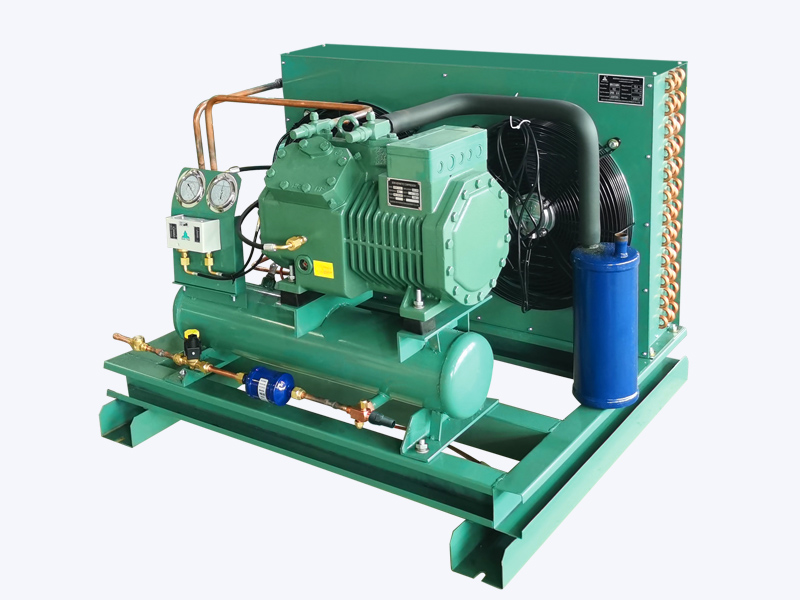
Fans in an Air-Cooled Condenser control the movement of ambient air over the heat exchange surface. Axial fans are common for large units, providing uniform airflow and lower noise, while centrifugal fans are preferred for higher pressure drop scenarios. Fan diameter and speed must match the condenser’s thermal load to maintain optimal air velocity, typically between 2.5 to 5 m/s.
Variable speed drives (VSDs) allow fans to adjust airflow based on ambient temperature, reducing energy consumption by up to 30% during partial loads while maintaining efficient heat transfer.
Material Selection and Thermal Conductivity
Materials for tubes and fins directly affect heat transfer efficiency. Copper and aluminum are most common due to high thermal conductivity:
- Copper tubes offer superior conductivity (≈385 W/m·K) but are costlier.
- Aluminum fins balance cost, weight, and corrosion resistance (≈205 W/m·K).
Choosing the right combination enhances the overall heat transfer coefficient (U), which can range from 200 to 400 W/m²·K depending on design and ambient conditions.
Environmental Effects on Performance
The ambient temperature, humidity, and airflow significantly influence condenser efficiency. Higher ambient temperatures reduce the temperature differential, lowering heat rejection capacity. Conversely, high wind speeds enhance convective heat transfer. For example, a condenser operating at 35°C ambient instead of 25°C may experience up to 18% performance drop if design adjustments are not made.
Dust and particulate matter can clog fins, decreasing heat transfer by 10-15% over a six-month period if regular cleaning is not performed. This underscores the need for designs that allow easy maintenance and cleaning
Optimizing Condenser Design for Different Climates
Design modifications can optimize Air-Cooled Condenser performance for specific environmental conditions:
- In hot, dry regions: increase tube length and fan capacity to maintain airflow over high temperatures.
- In humid areas: use anti-corrosion coatings and slightly lower fin density to reduce water accumulation.
- In dusty environments: use wider fin spacing and removable fin panels for easier cleaning.
Comparative Heat Transfer Data
| Design Type | Ambient Temp 25°C | Ambient Temp 35°C | High Dust Environment |
|---|---|---|---|
| Staggered Tubes, High FPI | 100% | 82% | 85% |
| Inline Tubes, Medium FPI | 95% | 78% | 80% |
| Wide Fin, Staggered Tubes | 98% | 85% | 92% |
Practical Recommendations
To maximize Air-Cooled Condenser efficiency across various environmental conditions, consider:
- Choosing staggered tube arrangements for enhanced turbulence and heat transfer.
- Adjusting fin density based on expected ambient airflow and dust exposure.
- Implementing variable speed fans to maintain consistent airflow while reducing energy consumption.
- Regular cleaning and maintenance to prevent performance losses due to fouling or dust accumulation.
- Selecting materials with high thermal conductivity and corrosion resistance for long-term durability.
By integrating these strategies, designers and operators can ensure consistent, efficient heat transfer regardless of ambient temperature, humidity, or environmental challenges.
.jpg?imageView2/2/w/300/h/300/format/webp/q/75)
.jpg?imageView2/2/w/300/h/300/format/webp/q/75)
