 English
 عربى
عربى 简体中文
简体中文
Refrigeration Engineering Note
Air Cooled Condenser Coil Temp: The Reading That Explains the Whole Refrigeration System
On a 35°C afternoon, a rooftop condenser coil reads 62°C. The compressor discharge pressure is high, the cold room cannot reach its set-point, and the energy bill keeps climbing. The coil temperature did not cause all of these problems, but it is the clearest single sign of them.
If you record only one number during a service visit to an air-cooled refrigeration system, record the condenser coil temperature. More than suction pressure or a quick glance at the gauges, this one reading links the refrigeration cycle, the heat exchange surface, and the surrounding air into a single practical figure. The sections below walk through normal values, the causes of drift, and the maintenance routine that keeps the reading where it belongs.
What Air Cooled Condenser Coil Temperature Actually Means
In an air cooled condenser, hot refrigerant gas leaving the compressor enters the coil and rejects heat to air pulled across the finned surface by fans. As heat is removed, the refrigerant changes state from gas to liquid. The temperature of the coil surface therefore sits close to the saturated condensing temperature of the refrigerant at the system's head pressure.
That relationship makes a coil thermometer a practical pressure gauge. If a system running R-404A condenses at roughly 46°C, the corresponding head pressure is in the region of 19 bar. When the coil temperature drifts upward, the head pressure drifts upward with it. Because each refrigerant has a precise pressure-temperature relationship, the air cooled condenser coil temp is a fast, non-invasive window into what is happening inside the tubes.
What Is a Normal Condenser Coil Temperature?
For most commercial and light industrial equipment, a healthy coil temperature sits 10 to 17°C above the ambient air temperature entering the coil. Refrigeration engineers call this difference the temperature differential, or TD. A correctly sized air-cooled condenser is typically designed for a TD of about 10°C at full load, which means a coil temperature near 45°C when the ambient is 35°C.
| Condition | Coil temp vs. ambient (TD) | Typical coil temp at 35°C ambient |
|---|---|---|
| Healthy operation | 10–17°C | 45–52°C |
| Borderline | 17–25°C | 52–60°C |
| Needs investigation | 25–30°C | 60–65°C |
| Critical | Above 30°C | Above 65°C |
Two details matter. First, the TD is the difference between the saturated condensing temperature and the dry-bulb ambient temperature entering the coil. Second, the subcooling section near the condenser outlet runs below the condensing temperature, so measure the upper portion of the coil where condensation is active, or use the saturated temperature derived from the head pressure gauge.
Why Coil Temperature Deserves Your Attention
The condenser coil temperature does not simply describe the condenser; it sets the operating conditions for the entire circuit. As condensing temperature climbs, the compressor pushes against a higher pressure difference, consumes more power, and delivers less cooling capacity. As a working rule, every 1°C rise in condensing temperature reduces total system efficiency by roughly 2 percent. A system condensing at 55°C instead of its 45°C design point is not suffering a small trim loss; it is carrying a permanent energy burden that appears on every invoice.
Elevated coil temperature also raises the compressor's discharge temperature. Prolonged operation above normal condensing temperatures accelerates oil breakdown, stresses valve plates, and is one of the most common background causes of premature compressor failure in packaged refrigeration equipment.
The cost of an elevated coil temperature shows up in four ways:
- Lower capacity, because refrigerant mass flow through the expansion valve drops as head pressure rises.
- Higher current draw and additional heat load on the compressor motor.
- Greater risk of high-pressure cut-outs during the hottest part of the day.
- Faster loss of oil quality at elevated discharge temperatures.
Why Coil Temperature Moves Out of Range
A coil temperature above its expected band has one of two explanations: the coil cannot reject enough heat, or the system is generating more heat rejection duty than the coil was designed for. The two families have very different remedies, so the first diagnostic step is to separate them.
The coil cannot breathe
Airflow restrictions are the most common cause. Dust, fibers, pollen, or plastic film packed into fin spacing; a damaged or slowing fan blade; a condenser fan motor on its way out; or a coil installed too close to a wall. Recirculation deserves special attention: when discharge air is drawn back into the condenser inlet because of poor clearance or wind patterns, the effective inlet temperature rises, and the coil temperature climbs even though the coil itself is clean.
The system is rejecting more heat than intended
An overcharge of refrigerant fills more of the condenser volume with liquid and raises the effective condensing pressure. Non-condensable gases, usually air or nitrogen trapped during a poor service procedure, add a partial pressure on the high side; the total pressure rises even though the refrigerant is still condensing at its normal temperature. In practice, a system overcharged by 5–10 percent can display a coil temperature 4–6°C above design.
To separate the two cases, compare the measured coil temperature with the saturated temperature read from the head pressure gauge. If the coil is hotter than saturation, the likely cause is a degraded coil or airflow path. If the coil matches saturation but both are high, the problem is charge-related or caused by non-condensables.
Reading the Symptoms on a Coil Temperature Trace
A few patterns appear again and again in the field. Logging the coil temperature, the head pressure, and the ambient reading together turns these patterns into a reliable diagnosis.
| Observed pattern | Most likely cause | First check |
|---|---|---|
| Coil temp high; head pressure above saturation values | Non-condensables in the system | Purge, or recover and re-charge |
| Coil temp high; subcooling also high | Refrigerant overcharge | Recover refrigerant to nameplate charge |
| Coil temp tracks ambient but TD stays above 20°C | Dirty coil or hot-air recirculation | Clean coil, check fan operation and unit clearance |
| Coil surface shows hot and cold zones | Blocked coil circuit or distributor | Check distributor nozzles and circuit temperatures |
Coil Temperature Is Decided at the Design Table
After installation, coil temperature looks like a maintenance story. In reality, it is decided during selection. Coil face area, fin pitch, the number of rows, fan airflow, and the design ambient temperature all set the TD. A generously sized condenser will hold the coil temperature about 10°C above ambient at full load, while a tightly packed unit may need closer to 20°C. The difference appears in every energy bill and on every hot afternoon.
The gap between a 10°C coil and a 20°C coil is not a comfort issue. It is a permanent difference in running cost.
That is why a condenser should be selected, not simply purchased. Manufacturers publish a design TD and a maximum ambient temperature precisely for this calculation. A site that sees 40°C summers needs a larger coil than one in a 32°C climate, and the unit's operating envelope has to be checked against the real load profile.
Zhejiang Beifeng builds its air-cooled condensing units around coils, fans, and compressors matched to a declared operating envelope, so the air cooled condenser coil temp stays inside the design band through the full cooling season.
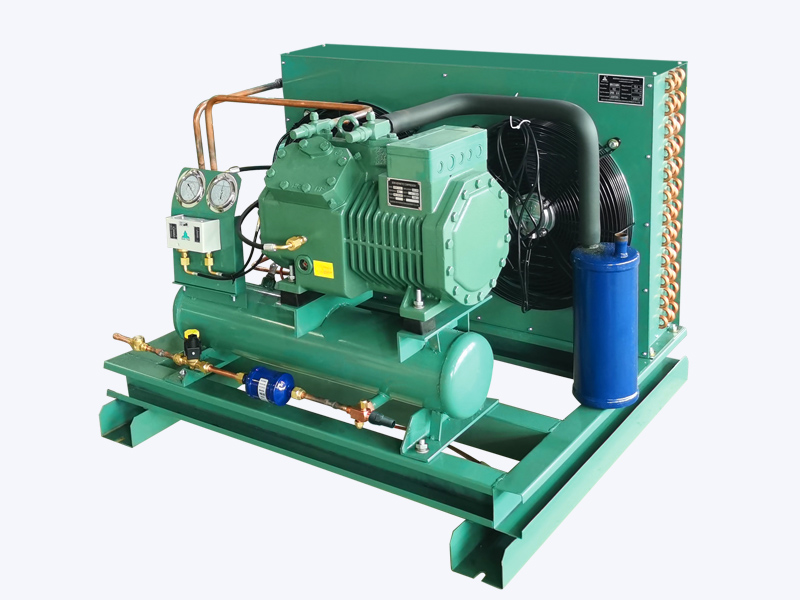
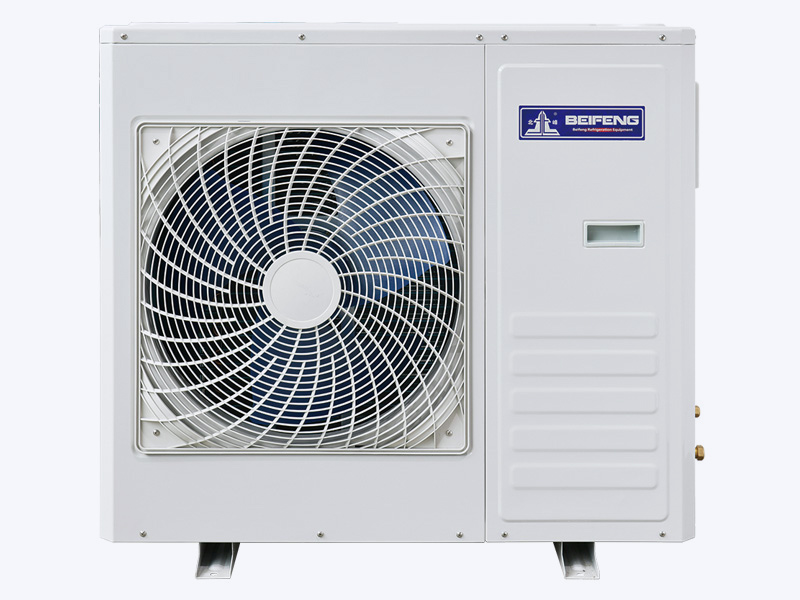
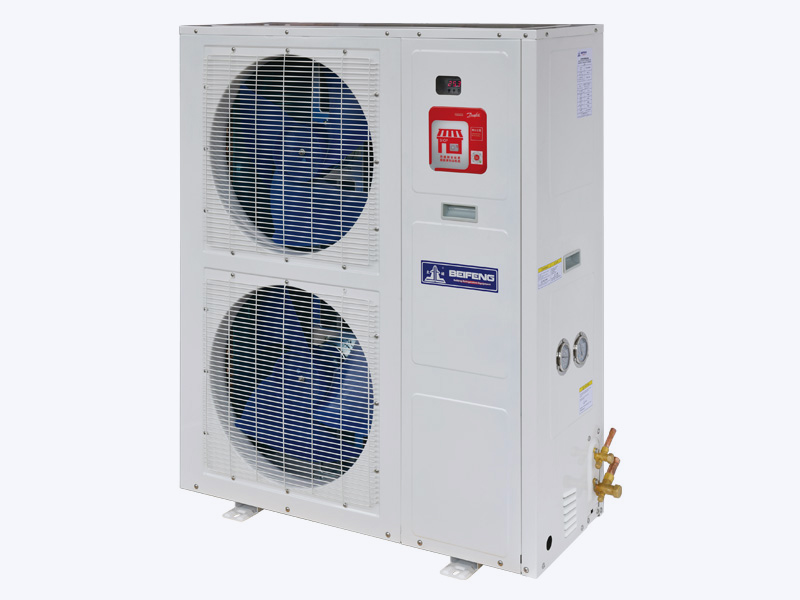
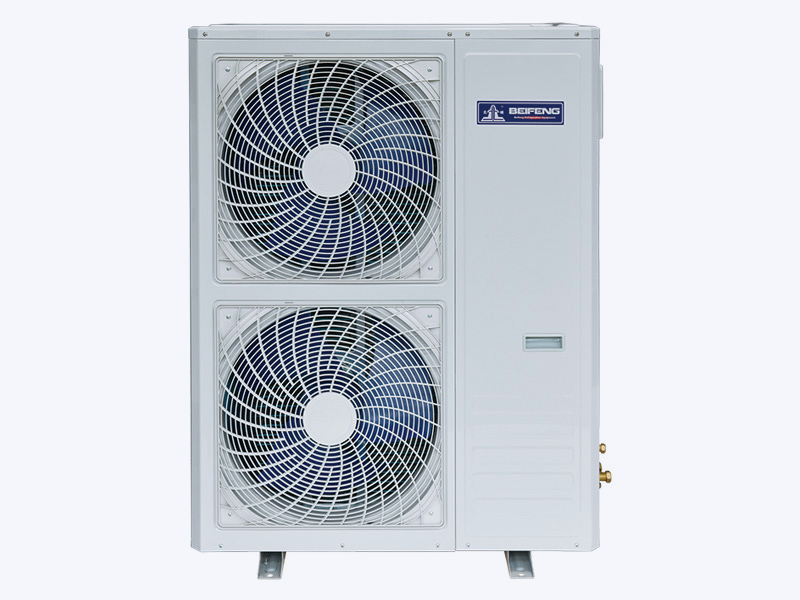
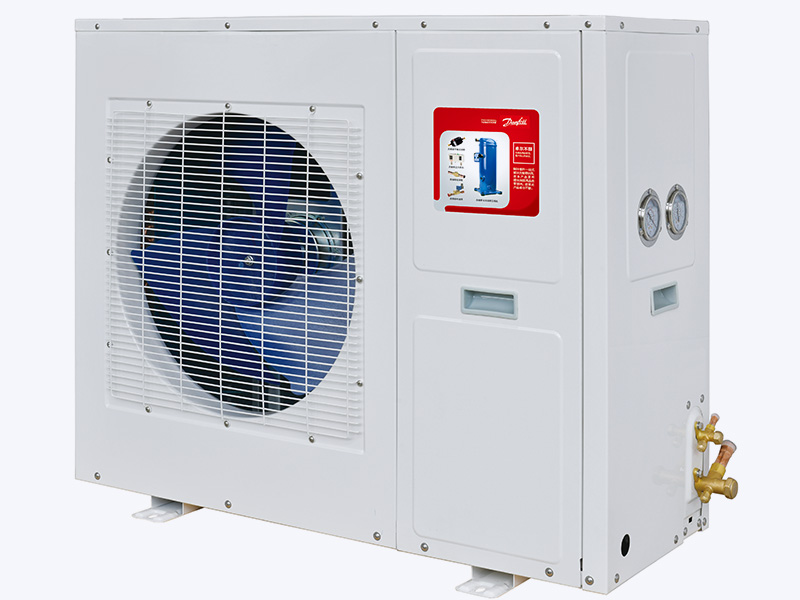
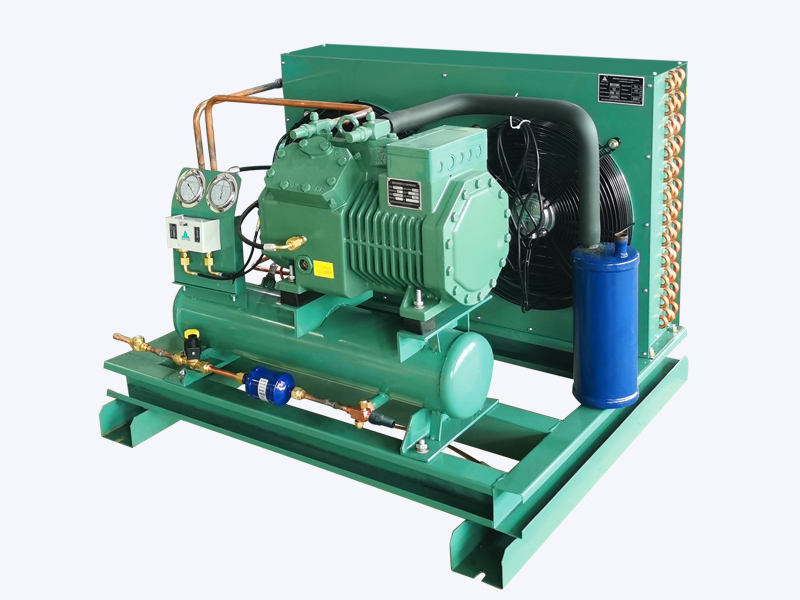 Beifeng Semi-Hermetic Air-Cooled Condensing Unit (3-25HP)This unit integrates coils, fans, and matched compressors to maintain stable condensing temperatures. Suitable for R22, R134a, R404, and R407C, it includes oil separators, pressure controls, and receivers. Useful for operators selecting dependable air-cooled condensers based on design envelopes.View Product →
Operators planning a new installation can apply the same logic to the rest of the plant: the selection rules for an air cooled condenser are also the rules for a dependable condensing temperature.
Keeping Coil Temperature Where It Belongs
Coil temperature problems are predictable and, in most cases, preventable. A simple seasonal routine keeps the TD inside the healthy band:
- Clean the coil before the hot season using a fin-safe cleaner, and rinse from the inside out rather than blasting the face with a pressure washer.
- Check both condenser fans and their protection grilles; measure airflow instead of assuming the fans are running at speed.
- Verify that discharge air cannot recirculate into the inlet, and keep the clearances specified in the installation manual.
- After any repair, compare the measured coil temperature with the datasheet value; at design ambient, the TD should be within 2–3°C of the published figure.
- Log every reading. A full year of coil temperature and ambient temperature records reveals slow fouling long before it becomes a high-pressure trip.
Facilities that follow this routine report stable condensing temperatures, lower energy use, and infrequent high-pressure shutdowns even during heat waves. For packaged condensing systems, this routine is often the difference between a compressor that lasts ten years and one that is replaced in five.
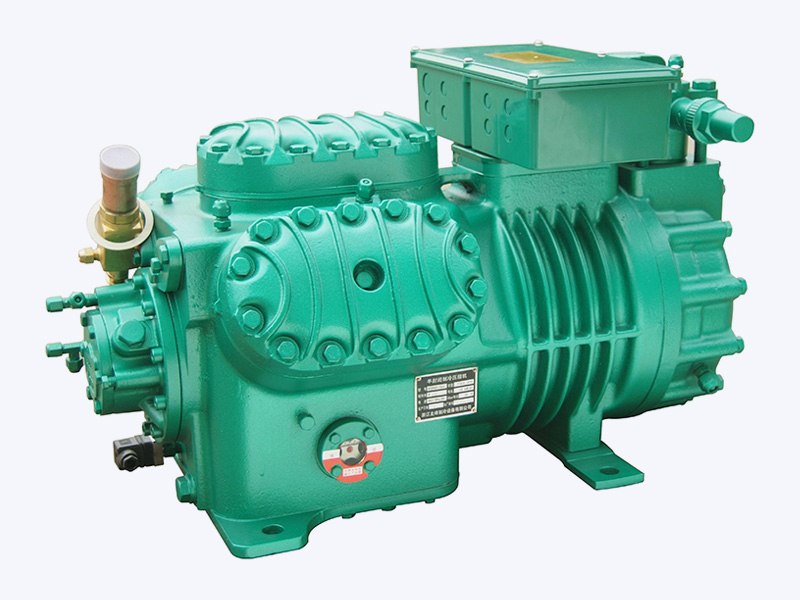
For larger installations, a bigger condenser and a matched compressor set give the same discipline more headroom. Beifeng's larger semi-hermetic air-cooled condensing units are arranged for easy coil access and service routing, which keeps maintenance cost low over the life of the equipment.
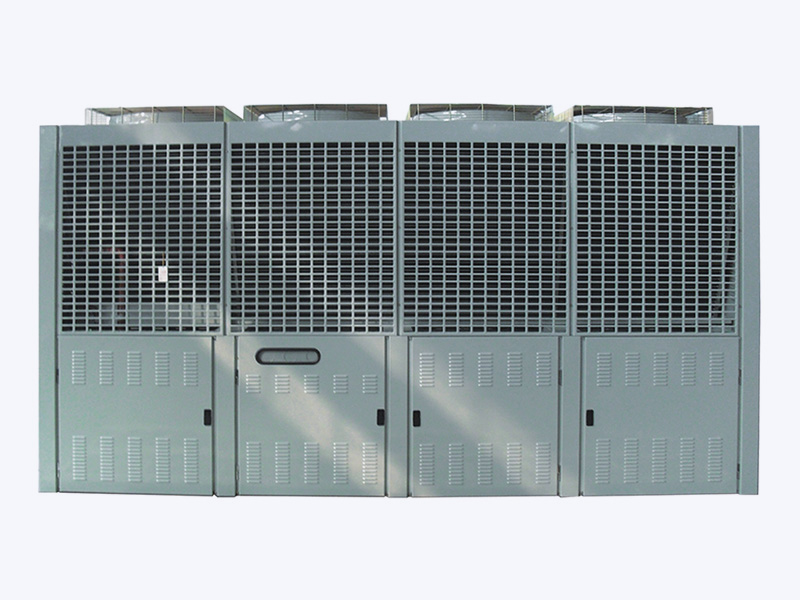
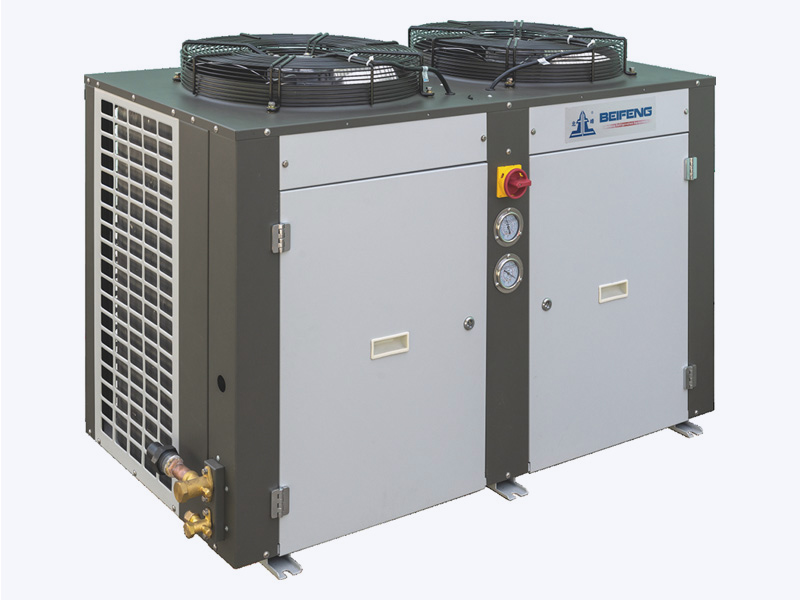
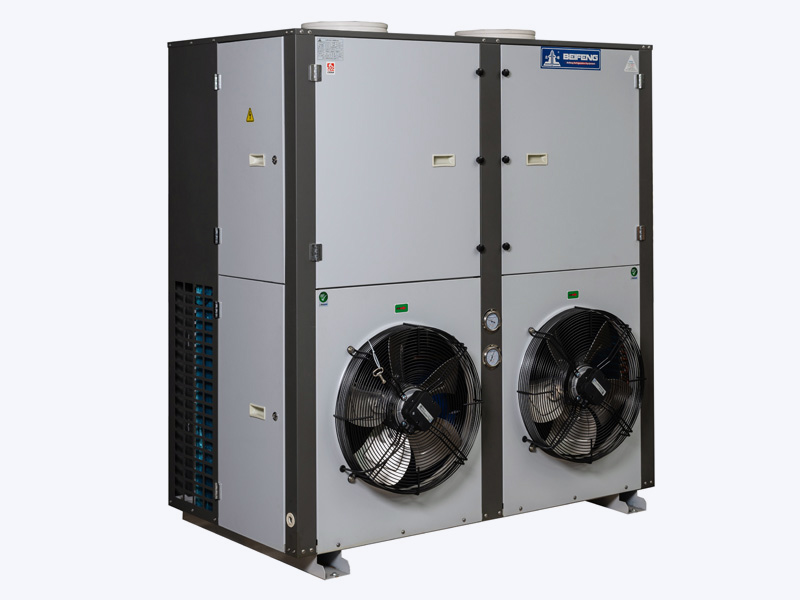
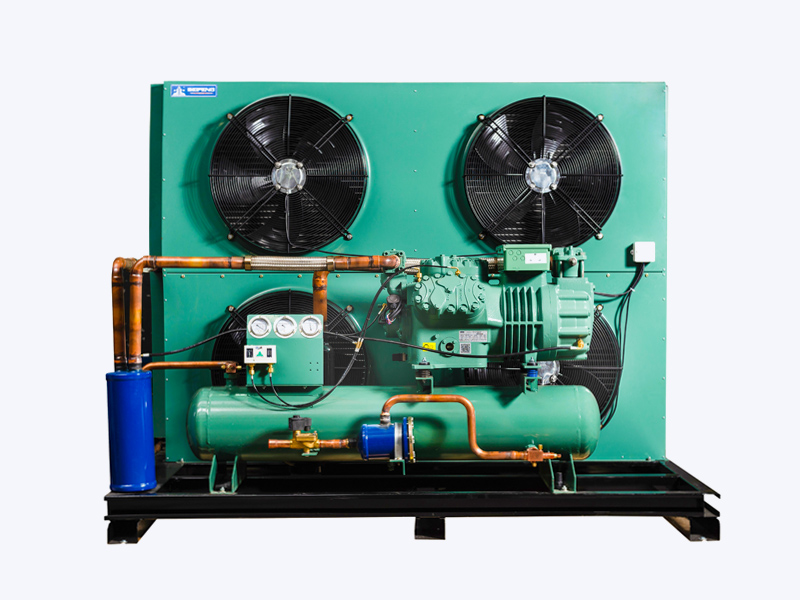 Industrial High-Power Air-Cooled Condensing Chiller (30-50HP)Built for heavy-duty continuous operation, this series supports multiple refrigerants and features an integrated air-cooled design that eliminates cooling towers and water pumps. Its standardized construction simplifies installation and maintenance, making it a practical choice for large-scale industrial refrigeration applications that require stable condensing temperature.View Product →
The Coil Temperature Habit
The air cooled condenser coil temp is not a number to record and forget. It is the best single indicator of whether the condenser is doing its job, whether the charge is correct, whether the fans are moving the right amount of air, and whether the system is costing more than it should. Read it, compare it with ambient, and treat it with the same respect as a superheat reading.
A ten-minute reading can prevent a compressor failure, a temperature failure in a cold room, or an energy bill that nobody budgeted for. That is the quiet diagnostic power of this single measurement. If you want a second opinion on your system's operating envelope, talk with a Beifeng applications engineer before the next hot season arrives.