 English
 عربى
عربى 简体中文
简体中文
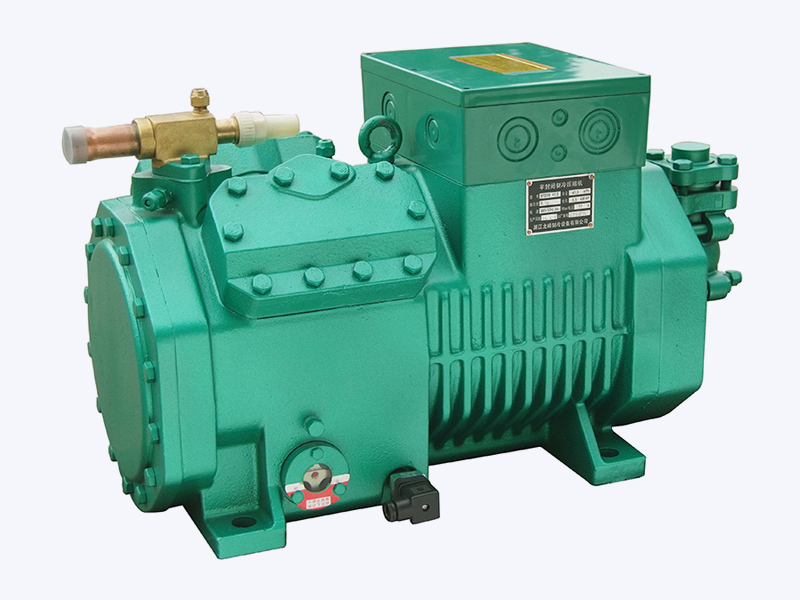
1. Two-Stage Compression and Pressure Management
The defining feature of a Semi-Hermetic Two-Stage Compressor is its two-stage compression mechanism, which divides the overall compression process into two separate stages: low-pressure (LP) and high-pressure (HP). By compressing the refrigerant in two steps rather than one, the compressor reduces the pressure ratio that each cylinder must withstand individually. This design significantly lowers mechanical stress on pistons, cylinders, and valves compared to single-stage compressors operating under the same overall pressure. The intermediate stage often includes an intercooler or flash chamber to reduce refrigerant temperature between stages, which further reduces thermal and mechanical stress on components, thereby preventing excessive wear caused by high-pressure operation.
2. Reinforced Cylinder and Piston Materials
A Semi-Hermetic Two-Stage Compressor is typically constructed using high-strength alloys for cylinders, pistons, and bearings. These materials are carefully selected to withstand the high pressures generated during the second compression stage. Hardened steel, chromium-plated pistons, or specialized bearing alloys reduce friction, resist scuffing, and prevent deformation under load. The combination of reinforced materials and precise machining ensures that high-pressure refrigerants do not accelerate mechanical wear, even during continuous operation in industrial or commercial refrigeration systems.
3. Valve Design for High-Pressure Reliability
The discharge valves in a Semi-Hermetic Two-Stage Compressor are engineered to handle elevated pressures efficiently. Typically, spring-loaded reed valves or poppet valves are used with optimized seating surfaces to ensure tight closure under high pressure. Proper valve design prevents backflow, reduces mechanical impact, and ensures that refrigerant exits the cylinder smoothly. By controlling the flow dynamics and minimizing shock loading during discharge, the compressor reduces wear on the valve seats and the surrounding cylinder head, extending component life under high-pressure refrigerant operation.
4. Lubrication and Oil Circulation
Handling high-pressure refrigerants generates additional heat and friction, which could accelerate component wear if lubrication is insufficient. The Semi-Hermetic Two-Stage Compressor features integrated oil pumps and strategically routed lubrication channels to deliver oil to pistons, bearings, and valve plates continuously. Some designs include oil jets targeting the cylinder walls and discharge valves to maintain a protective film under high-pressure, high-temperature conditions. This constant lubrication reduces metal-to-metal contact, prevents scoring, and mitigates wear caused by the elevated forces associated with high-pressure refrigerant compression.
5. Thermal Management and Heat Dissipation
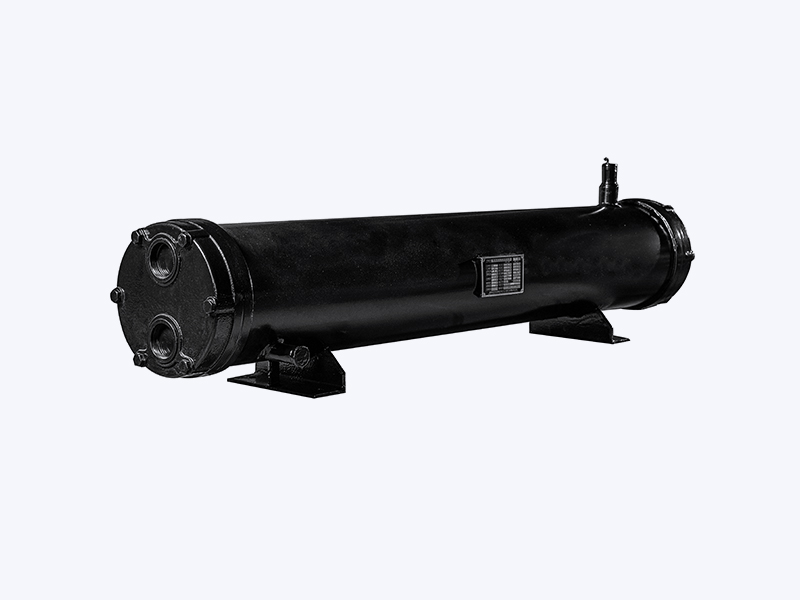
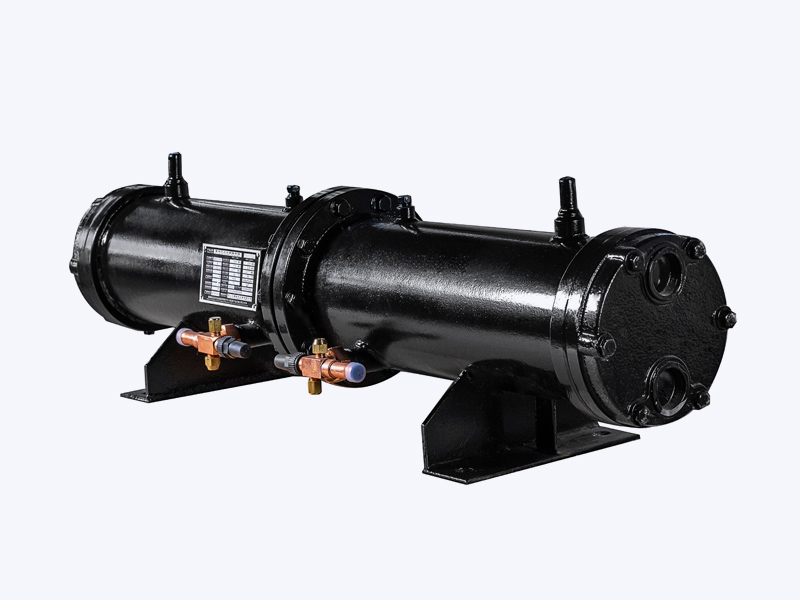
High-pressure operation increases refrigerant and internal component temperatures, which can accelerate material fatigue and wear. Semi-Hermetic Two-Stage Compressors incorporate efficient motor cooling and housing heat dissipation, often through fins, integrated oil cooling, or shell-and-tube intercooling between stages. By controlling internal temperatures, the design prevents thermal expansion mismatches, maintains tight tolerances between moving parts, and reduces the risk of overheating-related wear on pistons, bearings, and valve assemblies.
6. Semi-Hermetic Housing Benefits
The semi-hermetic design itself contributes to durability under high-pressure refrigerants. Unlike fully hermetic compressors, the semi-hermetic design allows access to internal components for inspection, repair, and maintenance without replacing the entire unit. This means users can replace worn pistons, valve plates, or bearings before excessive wear compromises performance, ensuring long-term reliability under high-pressure refrigerant conditions. Additionally, the semi-hermetic housing provides structural rigidity, which maintains alignment of cylinders and pistons under high-pressure loads, preventing mechanical stress from deforming internal components.