 English
 عربى
عربى 简体中文
简体中文
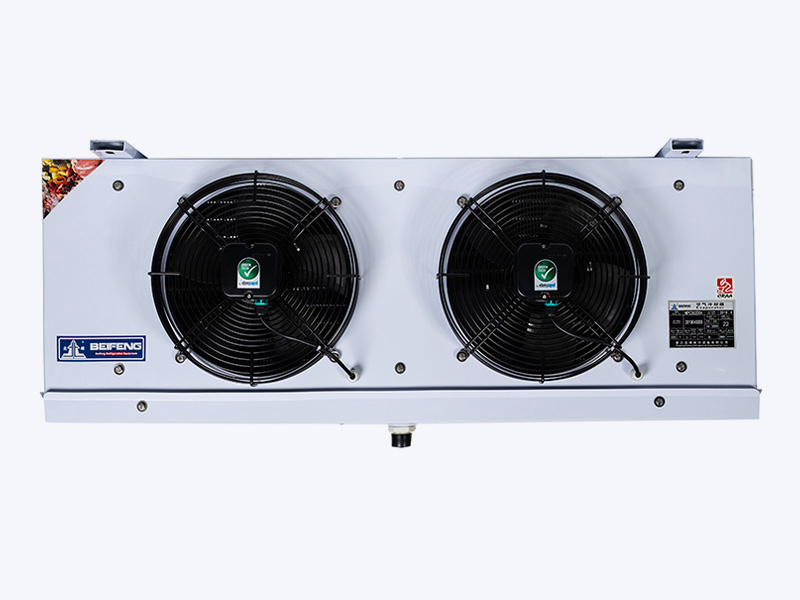
The design of the Aluminium Fin Evaporator significantly influences both airflow distribution and heat exchange efficiency, two crucial factors that determine the overall performance of a refrigeration or HVAC system. The fins play a central role in increasing the surface area for heat transfer, which in turn improves the evaporator's cooling capability. Additionally, the arrangement and configuration of the fins and coils ensure that air flows evenly across the surface, maximizing heat exchange. Here's a more detailed look at how the design impacts these critical aspects:
The primary function of the fins on the Aluminium Fin Evaporator is to increase the heat transfer surface area. Aluminium is chosen because of its high thermal conductivity, which allows it to efficiently absorb heat from the air passing through the coils. The spacing of the fins is crucial to balancing airflow with heat transfer. If the fins are spaced too closely together, airflow may be restricted, leading to lower cooling efficiency. On the other hand, if the spacing is too wide, the surface area for heat transfer is reduced, again diminishing the evaporator’s effectiveness. The ideal fin spacing ensures that air flows smoothly through the coil while maximizing the surface area for heat exchange. Additionally, the thickness of the fins affects the heat transfer rate, with thinner fins allowing for more fins per unit area, which increases the heat exchange capacity. Louvered or serpentine fin designs are often used to introduce turbulence in the airflow, which helps break up the boundary layer of stagnant air near the fins and promotes more efficient heat transfer.
The orientation and arrangement of the evaporator coils also play a significant role in determining how air is distributed across the coil surface. In horizontal coils, the air typically moves across the coil in parallel lines, whereas vertical coils distribute the air more evenly. Both configurations have their benefits, but the key is ensuring that the air is evenly distributed over the coil surface to avoid cold spots and ensure consistent cooling performance. In order to achieve this uniform distribution, air deflectors or guide vanes are often integrated into the design. These components direct airflow in a manner that ensures all areas of the evaporator coil are utilized effectively, which maximizes heat transfer and prevents the system from underperforming. The design also incorporates airflow path optimization, ensuring that air moves smoothly through the coils without blockages, which could reduce cooling efficiency.
The heat transfer coefficient, which indicates how effectively heat is transferred from the refrigerant inside the evaporator coils to the surrounding air, is highly influenced by the design of the Aluminium Fin Evaporator. A rougher surface on the fins, which is often achieved through louvered or corrugated designs, promotes turbulence in the airflow. This turbulence disrupts the stagnant layer of air near the fins, which can otherwise act as an insulating barrier and hinder heat transfer. Additionally, the high thermal conductivity of aluminium ensures that even if the airflow across the coil is not perfectly uniform, heat is efficiently spread across the fins, resulting in better overall heat exchange performance. This high conductivity allows the evaporator to transfer heat more quickly and effectively, even in challenging conditions.
Another critical design consideration is the pressure drop across the evaporator. A significant pressure drop means the system must expend more energy to move air or refrigerant through the coils, reducing the overall efficiency of the system. By designing the evaporator coils and fins with the right spacing and geometry, engineers can minimize airflow resistance, thereby reducing the pressure drop. Reducing this pressure loss ensures that the system runs more efficiently, uses less energy, and maintains optimal performance over time. The coil geometry is often adjusted to balance the need for efficient heat transfer with the need to allow air to pass through the coils with minimal resistance.
The Aluminium Fin Evaporator is also designed to accommodate a range of environmental conditions, including varying ambient temperatures and humidity levels. In refrigeration and air conditioning systems, the temperature and humidity of the air being cooled can fluctuate, which can impact the evaporator's efficiency. A well-designed evaporator ensures that even with these variations, the system can continue to operate at peak performance. By maintaining a high heat exchange rate and optimizing airflow distribution, the evaporator can adapt to these changes in external conditions. This adaptability is particularly important in applications where the evaporator is used in environments with unpredictable or extreme temperature changes.
In low-temperature applications, frost build-up can be a significant issue. Ice can accumulate on the fins of the evaporator, obstructing airflow and reducing heat transfer efficiency. To combat this, many Aluminium Fin Evaporators are designed with features that help minimize or prevent frost formation. Some models incorporate self-defrosting mechanisms, which include heating elements or frost sensors that automatically activate to melt any frost that forms on the fins. The arrangement of the fins and the coils also plays a role in preventing ice from building up in the first place. For example, optimizing the spacing between the coils and ensuring that air flows consistently over the entire surface of the evaporator can help reduce the likelihood of frost formation, keeping the system running efficiently in low-temperature conditions.
The design of the Aluminium Fin Evaporator is integral to its overall efficiency, and factors such as fin spacing, coil orientation, material choice, and airflow optimization all work together to ensure that the evaporator performs at its best. These design features enable the evaporator to provide consistent cooling performance across varying load conditions, temperature fluctuations, and humidity levels. Furthermore, the design helps to minimize energy consumption, extend the lifespan of the system, and reduce maintenance needs by preventing issues like excessive frost build-up or pressure loss. This makes the Aluminium Fin Evaporator an essential component in a wide range of refrigeration and HVAC systems, delivering reliable, energy-efficient performance in diverse operating environments.
.jpg?imageView2/2/w/300/h/300/format/webp/q/75)
.jpg?imageView2/2/w/300/h/300/format/webp/q/75)