 English
 عربى
عربى 简体中文
简体中文
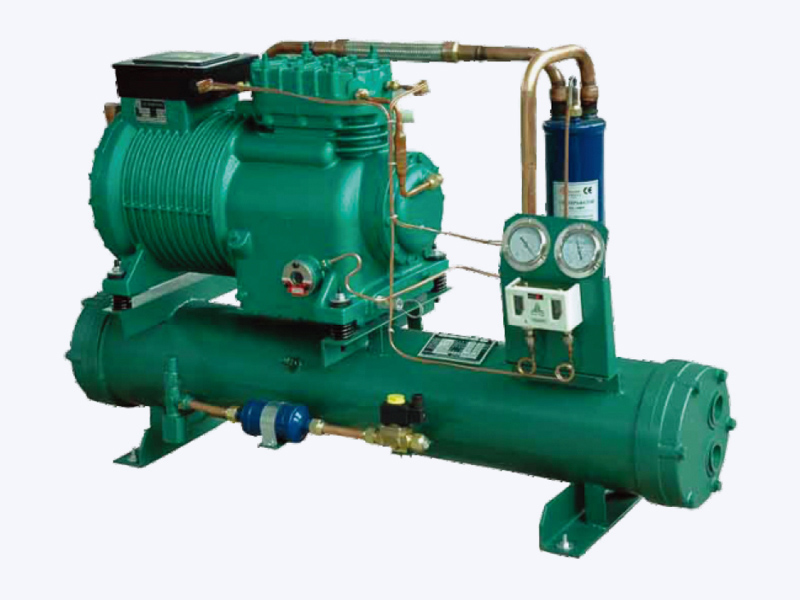
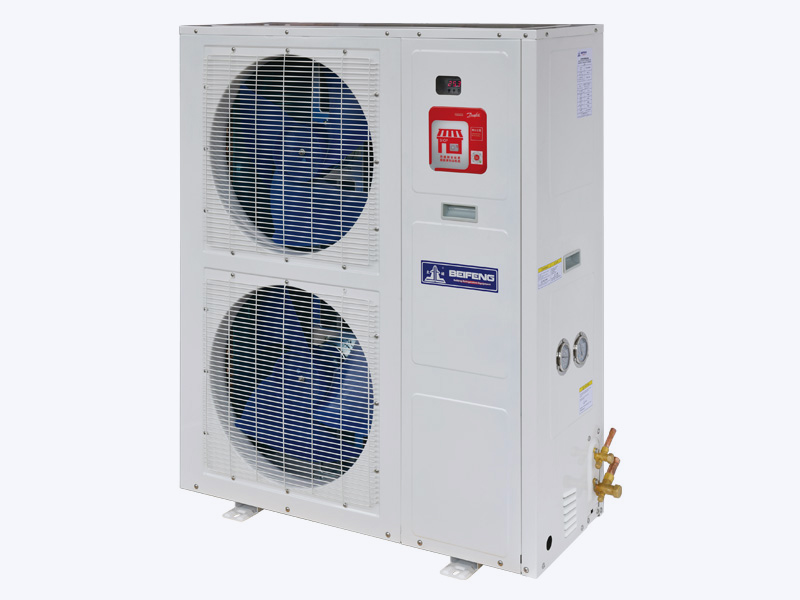
Air-Cooled Condensers generally experience a slower and more predictable performance decline over time than water-cooled condensers when maintenance is limited. While Air-Cooled Condensers are vulnerable to dust accumulation, fin damage, and fan wear, water-cooled condensers often suffer from scaling, corrosion, biological fouling, and water quality issues that can significantly reduce heat-transfer efficiency.
In practical applications, an Air-Cooled Condenser may lose approximately 5% to 15% of its original thermal efficiency over 10 years when maintained properly. In contrast, a poorly managed water-cooled condenser can experience efficiency losses exceeding 20% to 30% due to mineral deposits and internal tube fouling. However, environmental conditions, operating hours, and maintenance practices ultimately determine the actual degradation rate.
Understanding Performance Degradation in Condensers
Performance degradation refers to the gradual reduction in a condenser's ability to reject heat efficiently. As heat-transfer surfaces become contaminated or mechanical components wear out, condensing temperatures rise, causing compressors to work harder and consume more energy.
Whether installed in a refrigeration system, HVAC application, or a cooler condensing unit, condenser performance directly affects operating costs, system reliability, and equipment lifespan.
Common indicators of degradation include:
- Higher condensing pressure
- Increased energy consumption
- Reduced cooling capacity
- Longer compressor operating cycles
- Increased maintenance requirements
How Air-Cooled Condensers Degrade Over Time
Dust and Dirt Accumulation
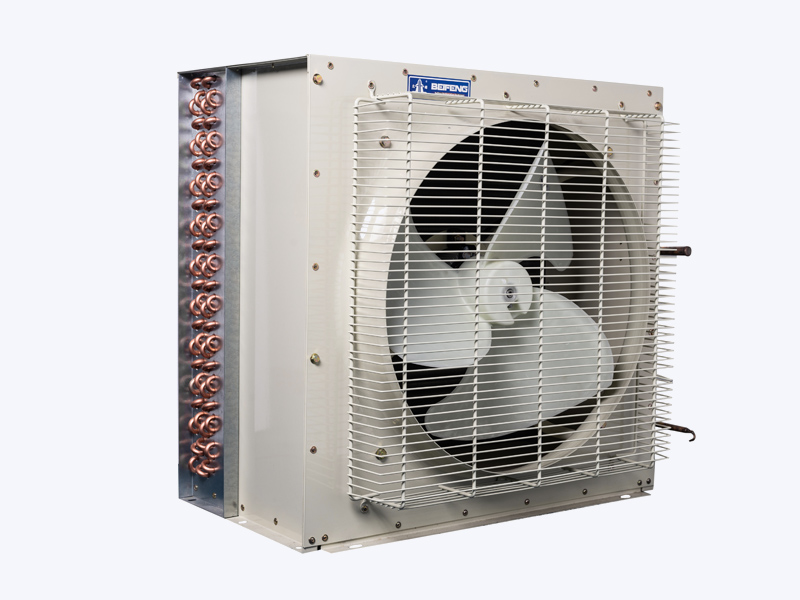
The most common cause of Air-Cooled Condenser degradation is the buildup of dust, pollen, grease, and airborne particles on coil surfaces. These contaminants create an insulating layer that reduces heat-transfer effectiveness.
Studies have shown that dirty condenser coils can increase compressor energy consumption by 10% to 20% compared with clean coils.
Fin Damage
Aluminum fins are designed to maximize heat dissipation. Over time, weather exposure, cleaning errors, and physical impacts can bend or deform fins, reducing airflow through the coil.
Fan Wear
Fan motors, bearings, and blades experience mechanical wear during operation. Reduced airflow caused by aging fans directly lowers condenser performance and increases condensing temperatures.
Corrosion Exposure
In coastal and industrial environments, airborne salt and chemicals may accelerate corrosion. Although modern coatings improve durability, long-term exposure can gradually reduce heat-transfer efficiency.
How Water-Cooled Condensers Degrade Over Time
Scale Formation
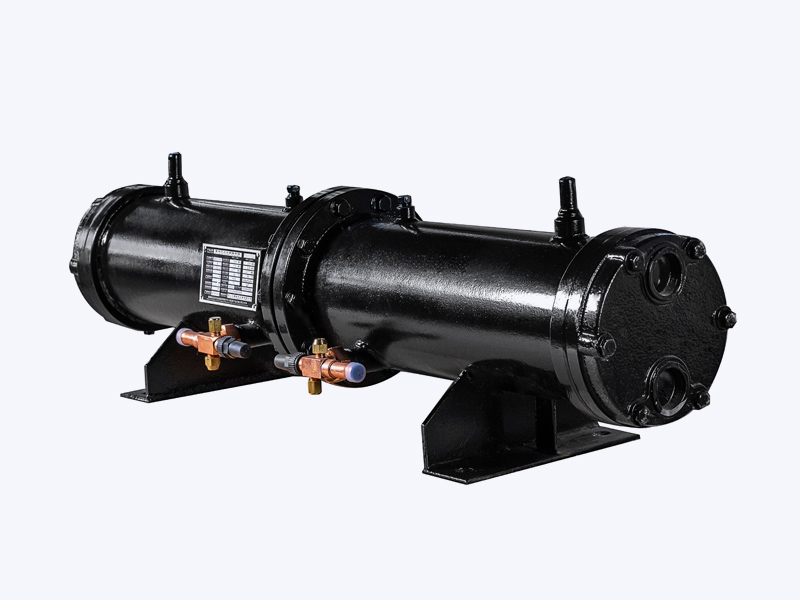
Water naturally contains dissolved minerals such as calcium and magnesium. As water circulates through condenser tubes, these minerals form scale deposits on internal surfaces.
A scale layer as thin as 1 mm can reduce heat-transfer efficiency by more than 10%, significantly increasing operating costs.
Biological Fouling
Water systems provide ideal conditions for algae, bacteria, and biofilm growth. Biological fouling restricts water flow and creates thermal resistance that impairs condenser performance.
Internal Corrosion
Water chemistry imbalances can accelerate corrosion inside tubes and piping. Corrosion products further contribute to fouling and heat-transfer losses.
Water Treatment Dependency
Water-cooled condensers rely heavily on proper water treatment programs. Inadequate monitoring can lead to rapid performance decline, often faster than what is observed in Air-Cooled Condensers.
Performance Degradation Comparison
| Factor | Air-Cooled Condenser | Water-Cooled Condenser |
|---|---|---|
| Scaling | None | High Risk |
| Dust Fouling | High Risk | Low Risk |
| Biological Growth | Minimal | High Risk |
| Corrosion Risk | Moderate | Moderate to High |
| Maintenance Complexity | Low | High |
| Typical Long-Term Efficiency Loss | 5%–15% | 10%–30%+ |
Impact on Energy Efficiency and Operating Costs
As condenser performance deteriorates, compressor workload increases. Every 1°C increase in condensing temperature can raise compressor energy consumption by approximately 2% to 4%, depending on system design.
For a cooler condensing unit operating continuously in a commercial refrigeration application, even a modest efficiency loss can translate into thousands of dollars in additional electricity costs over several years.
Because Air-Cooled Condensers avoid water-treatment expenses and scale-related losses, many facilities consider them more predictable from a long-term cost perspective despite potentially higher operating temperatures.
Maintenance Strategies to Reduce Degradation
For Air-Cooled Condensers
- Clean condenser coils regularly.
- Inspect and straighten damaged fins.
- Monitor fan motor performance.
- Apply corrosion-resistant coatings where necessary.
For Water-Cooled Condensers
- Implement a comprehensive water-treatment program.
- Monitor water chemistry regularly.
- Clean tubes periodically.
- Control biological growth proactively.
Which Option Maintains Performance Better in Real-World Applications?
The answer depends on maintenance quality and environmental conditions. In facilities with excellent water treatment and dedicated maintenance staff, water-cooled condensers can maintain high efficiency for many years. However, in many commercial and industrial environments, maintenance budgets and staffing levels are limited.
Under these conditions, Air-Cooled Condensers often demonstrate superior long-term reliability because they eliminate many of the hidden issues associated with water quality management. Their degradation mechanisms are generally visible, easier to diagnose, and less likely to cause sudden efficiency losses.
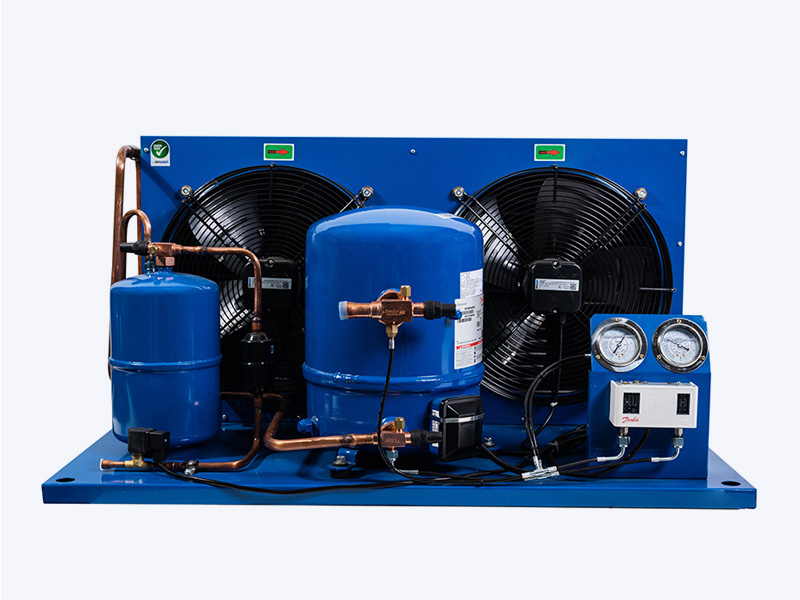
Systems incorporating an Air-Cooled Condenser within a cooler condensing unit also benefit from simplified maintenance procedures, making them attractive for supermarkets, cold-storage facilities, food processing plants, and commercial refrigeration installations.
Air-Cooled Condensers typically experience slower and more manageable performance degradation than water-cooled condensers over the long term. While dust accumulation, fin damage, and fan wear gradually reduce efficiency, these issues are generally easier and less costly to address than scale formation, biological fouling, and water-treatment challenges.
For users prioritizing predictable maintenance, lower operational complexity, and stable long-term performance, an Air-Cooled Condenser remains a highly practical choice. When integrated into a cooler condensing unit and maintained correctly, it can deliver reliable heat rejection performance for well over a decade while minimizing efficiency losses and operating expenses.
.jpg?imageView2/2/w/300/h/300/format/webp/q/75)