 English
 عربى
عربى 简体中文
简体中文
-
No Water Usage
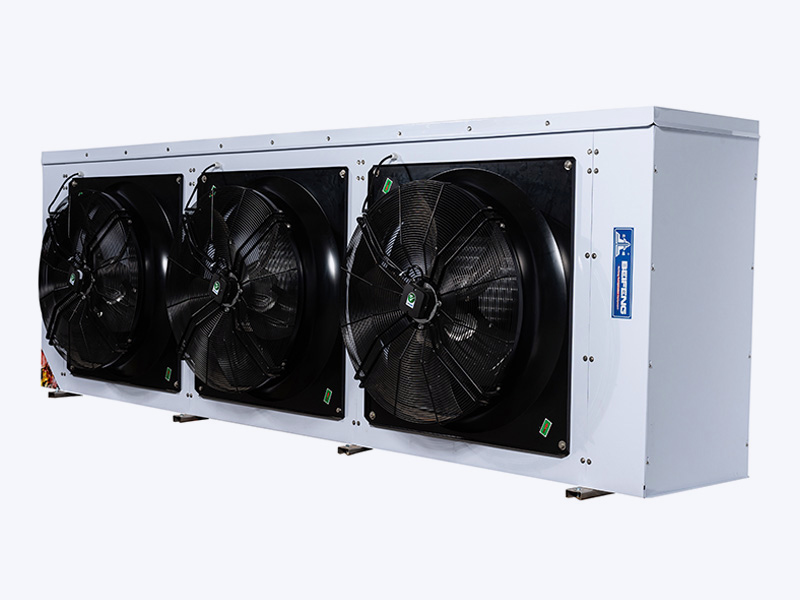
The main advantage of using an air-cooled condenser is that it completely eliminates the need for water in the cooling process. This is particularly beneficial in areas where water is a limited resource or subject to heavy regulation. Unlike water-cooled systems, which require water to absorb and carry heat away from the refrigerant or working fluid, air-cooled condensers rely solely on the ambient air to reject heat. As a result, they do not require continuous water supply or disposal, and this design inherently avoids issues related to water availability and water source dependence. For industries operating in water-scarce regions, using an air-cooled condenser ensures that production processes can continue without concerns about the availability or cost of water. -
Reduced Water Waste
In traditional water-cooled systems, a substantial amount of water is lost to evaporation during the heat exchange process. This is especially true in cooling towers, where water is evaporated into the atmosphere to cool the system. Over time, this leads to significant water consumption, which often requires constant replenishment from local sources, whether municipal or natural. Additionally, the evaporative process in cooling towers leads to a loss of chemical-treated water, which adds to the operational costs of water-cooled systems. Since air-cooled condensers do not require water to evaporate in the cooling process, they do not contribute to this kind of water waste, making them a more sustainable and cost-effective solution for cooling needs, especially in environments that prioritize water conservation. -
Lower Water Treatment Costs
Water-cooled systems generally require comprehensive water treatment procedures, including the use of chemicals to prevent scale, corrosion, and microbial growth. The water must also be regularly filtered and treated to maintain quality and ensure the system’s proper operation. These water treatment chemicals, which can be quite costly, add to the overall operational expenses of water-cooled systems. In contrast, air-cooled condensers eliminate the need for such processes, as they do not rely on water. This absence of water treatment results in lower operating costs and reduced complexity in maintaining the cooling system, as there are no issues related to water quality, fouling, or the potential for biological growth in the cooling water. -
Minimal Environmental Impact
Environmental concerns are increasingly driving the preference for air-cooled condensers over water-cooled systems. Water-cooled systems, particularly those using open-loop cooling towers, can have significant negative effects on local ecosystems, such as thermal pollution in nearby water bodies. When heated water is discharged back into rivers or lakes, it raises the water temperature, which can disrupt aquatic life and lower water quality. Air-cooled condensers, on the other hand, avoid such thermal pollution. By relying on ambient air for heat dissipation, air-cooled systems have a minimal environmental impact and do not contribute to changes in the temperature or composition of nearby water bodies, making them a more environmentally responsible option. -
No Dependency on Local Water Supply
Another key advantage of air-cooled condensers is their independence from local water supplies. Many regions face issues with water scarcity, whether due to seasonal variations, droughts, or overuse of local water sources. In areas where water availability is uncertain or unreliable, water-cooled systems can struggle to maintain consistent operations. This issue is entirely avoided with air-cooled condensers, as they are not affected by the local water supply. These systems use ambient air, meaning they do not require an uninterrupted water source, allowing them to operate in a variety of geographical locations, including those with limited or fluctuating water availability.
.jpg?imageView2/2/w/300/h/300/format/webp/q/75)