 English
 عربى
عربى 简体中文
简体中文
-
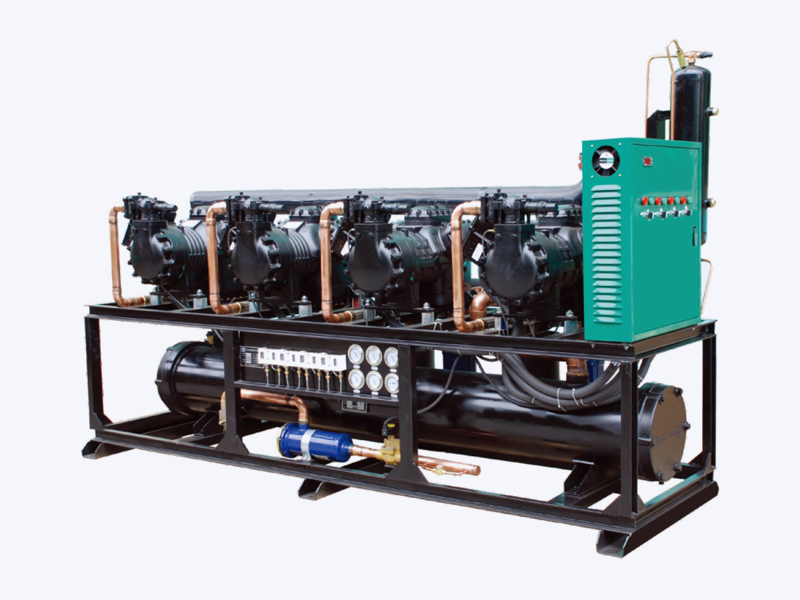
1. Coefficient of Performance (COP) and Energy Efficiency Ratio (EER): The energy efficiency of a Semi-Hermetic Industrial Chiller is primarily measured by the Coefficient of Performance (COP), which is the ratio of cooling output to electrical energy input, and sometimes by the Energy Efficiency Ratio (EER), measured in BTU per watt-hour. A higher COP or EER indicates that the chiller delivers more cooling per unit of energy consumed, reflecting higher operational efficiency. Semi-hermetic compressors are designed for tight mechanical tolerances and low internal leakage, which enhances energy conversion. In industrial applications, where chillers operate continuously or under variable loads, maintaining high COP is critical for minimizing electricity costs. Proper selection of chiller size relative to the cooling demand also impacts efficiency; an oversized chiller will cycle more frequently, reducing average COP, while an undersized chiller may operate continuously under high load, increasing wear and energy consumption.
-
2. Part-load performance and load-matching efficiency: Industrial processes rarely require full cooling capacity at all times, making part-load efficiency a key performance metric for a Semi-Hermetic Industrial Chiller. Semi-hermetic compressors often include capacity control mechanisms such as cylinder unloading, variable-speed drives, or slide valves, which allow the chiller to adjust output dynamically according to demand. Efficient part-load operation reduces unnecessary energy consumption, maintains stable evaporator and condenser temperatures, and minimizes cycling losses. By optimizing energy use under partial loads, the chiller reduces operational costs while extending compressor life. This adaptability is especially important in industrial environments with fluctuating thermal loads, such as manufacturing, food processing, or chemical facilities.
-
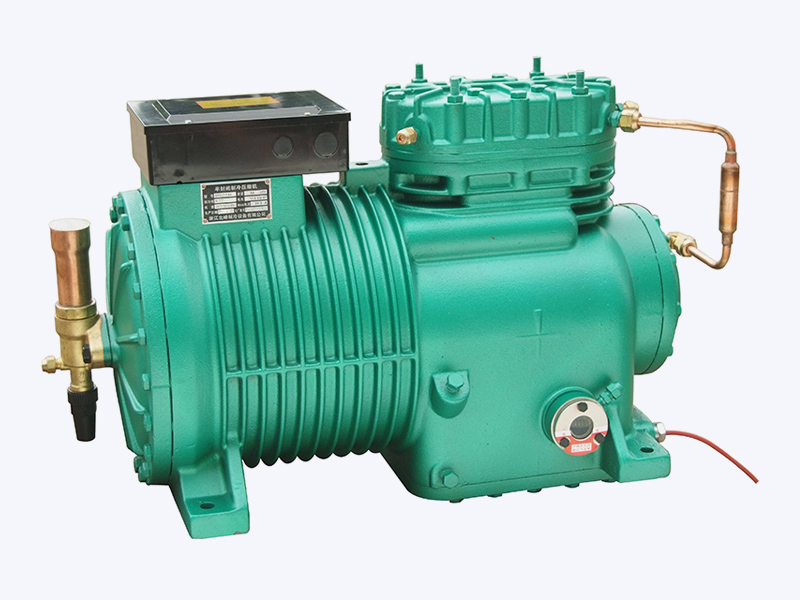
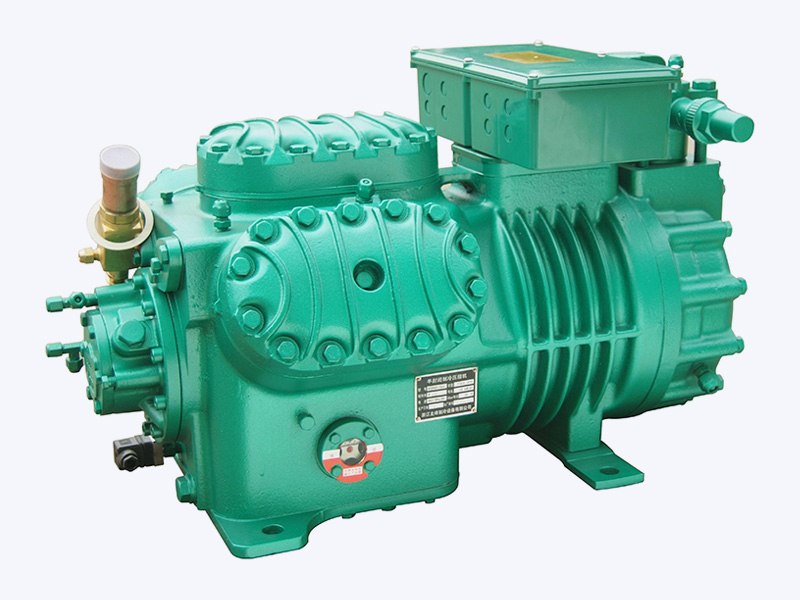
3. Compressor design and energy consumption: The compressor is the primary energy-consuming component of a Semi-Hermetic Industrial Chiller. Semi-hermetic compressors are mechanically robust, with replaceable components inside a sealed housing. Their precise engineering minimizes internal leakage, friction, and mechanical losses, which directly improves energy efficiency. Energy consumption depends on operating pressures, refrigerant type, and thermal load; higher suction temperatures or excessive condenser backpressure increase compressor workload, consuming more electricity. Properly matched system design, regular maintenance, and careful refrigerant charge management help maintain optimal compressor efficiency, minimizing energy use while sustaining cooling performance.
-
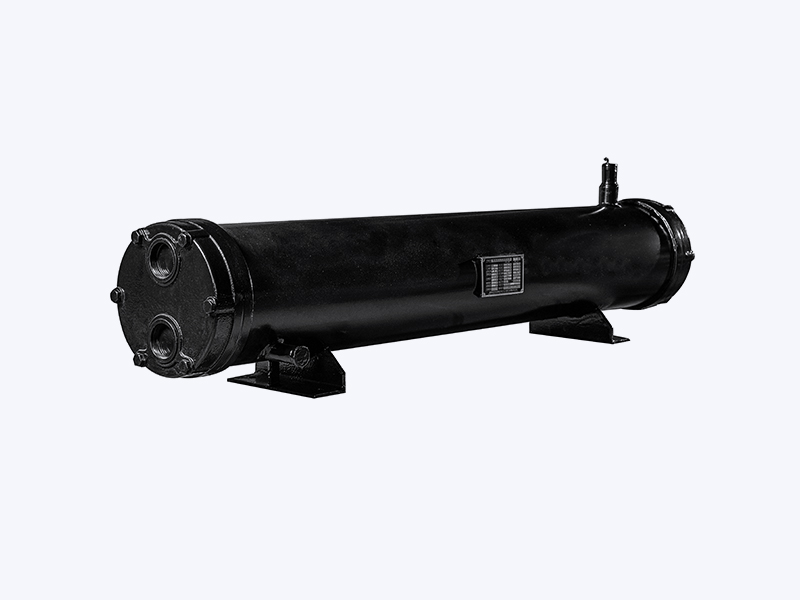
4. Heat exchanger efficiency: The evaporator and condenser design critically influence energy consumption in a Semi-Hermetic Industrial Chiller. Efficient heat exchangers maximize thermal transfer between the refrigerant and process or ambient fluids, reducing the temperature lift the compressor must achieve. For instance, a condenser with high heat transfer efficiency maintains lower condensing pressures, reducing compressor workload, while an evaporator optimized for flow ensures uniform heat absorption from the process fluid. Designs such as shell-and-tube, plate-and-frame, or microchannel heat exchangers are selected to balance surface area, flow dynamics, and fouling resistance, which directly affects COP and electricity consumption. Clean, well-maintained heat exchangers maintain optimal efficiency over time.
-
5. Refrigerant selection and thermodynamic considerations: The type of refrigerant used in a Semi-Hermetic Industrial Chiller significantly impacts energy efficiency. Refrigerants with high latent heat, favorable compression ratios, and low viscosity reduce the work the compressor must perform to achieve the desired cooling effect. For example, modern low-GWP HFO blends or R-134a alternatives can deliver similar or better efficiency while meeting environmental regulations. Proper matching of refrigerant properties with the chiller’s operating pressures, evaporator, and condenser design ensures minimal energy waste, consistent performance, and environmental compliance.
-
6. Auxiliary system optimization: Energy consumption in a Semi-Hermetic Industrial Chiller is also influenced by auxiliary components such as condenser fans, pumps, and control systems. Variable-speed drives (VSDs) on fans and chilled water pumps allow real-time adjustment to process requirements, reducing power use during partial load or low-demand periods. Advanced control systems monitor temperature, pressure, and flow rates to optimize operation, coordinating compressor speed and auxiliary devices to maintain high efficiency. Efficient auxiliary system integration reduces total energy consumption and improves overall system performance.