 English
 عربى
عربى 简体中文
简体中文
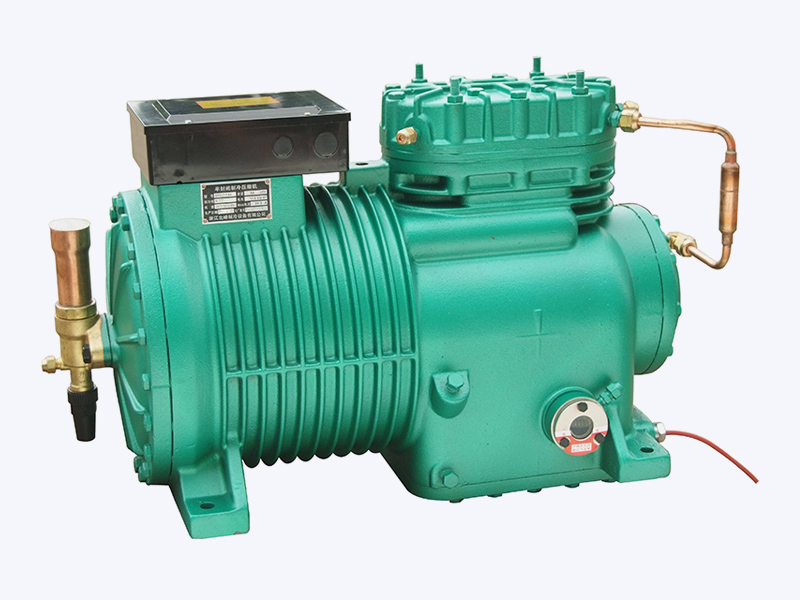
1. Advanced Compressor Technology
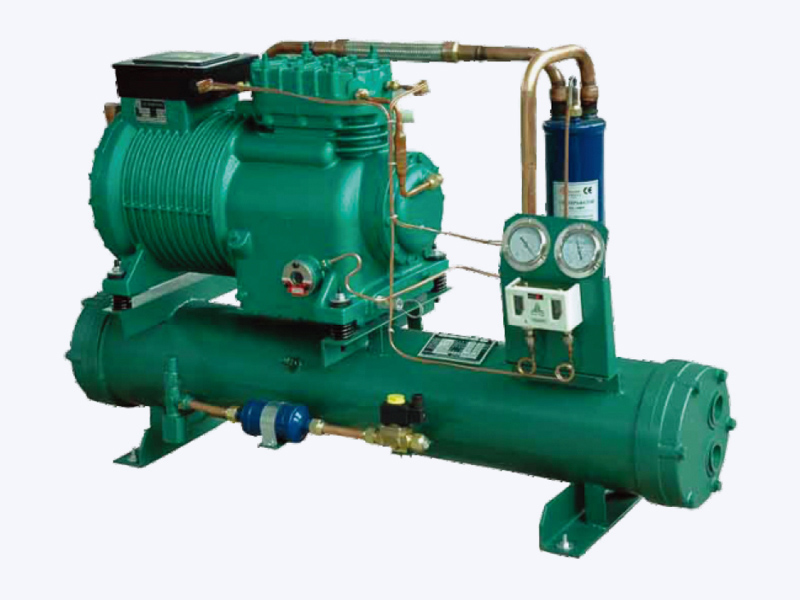
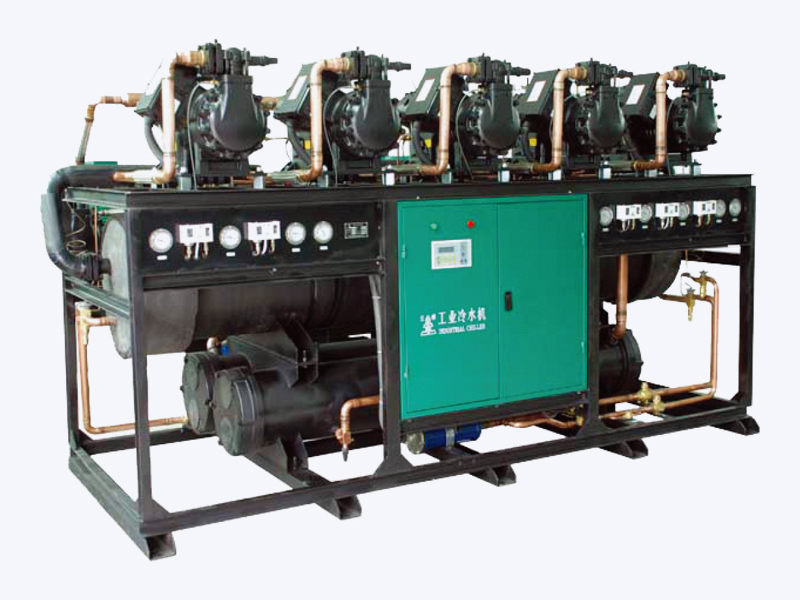
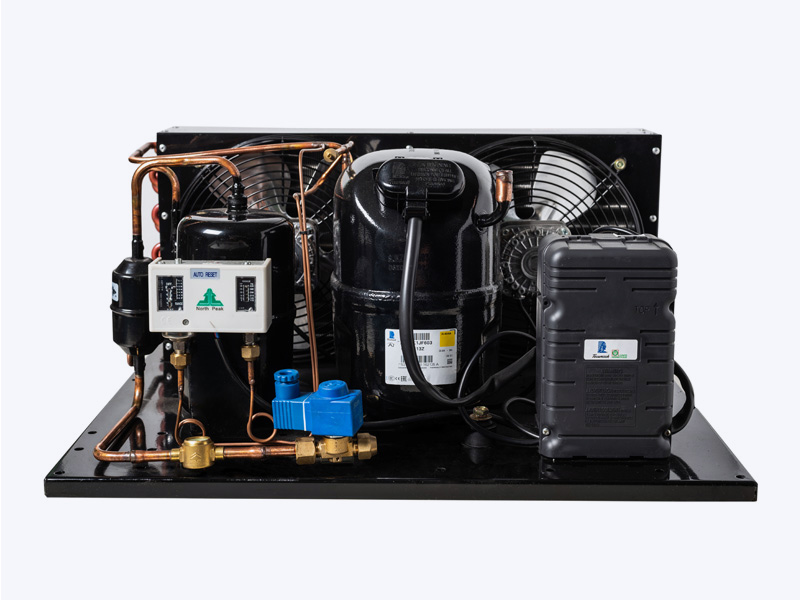
The Screw-Type Condensing Unit is equipped with a screw compressor, which is one of its most important components. Unlike traditional piston compressors, screw compressors use two interlocking helical rotors to compress the refrigerant. This design provides a smoother, more efficient compression process, reducing energy losses and wear over time. These compressors are particularly effective in managing fluctuating loads, making them ideal for systems that experience variable demand. In high ambient temperatures, the screw compressor is capable of maintaining optimal performance by efficiently managing the increased load, as it can better adapt to changes in temperature without sacrificing efficiency. In cooler temperatures, the screw compressor maintains its performance and avoids the strain that reciprocating compressors may face in low load conditions. Furthermore, screw compressors are typically more durable and less prone to overheating, ensuring longevity and reliability in both extreme heat and cold.
2. Variable Speed Drives (VSD)
Variable Speed Drive (VSD) is an essential feature in modern Screw-Type Condensing Units, especially when operating in environments with fluctuating ambient temperatures. The VSD continuously adjusts the speed of the compressor based on real-time load conditions, optimizing the unit’s performance and reducing energy consumption. When the unit is in high ambient temperature conditions, the VSD increases the speed of the compressor to handle the additional cooling demand, ensuring that the unit can still achieve the desired cooling capacity. Conversely, in lower ambient temperatures, the VSD can reduce the compressor speed, thus lowering energy consumption while still providing adequate cooling. The ability to modulate the compressor speed based on ambient conditions not only enhances efficiency but also reduces mechanical wear on the system, as it eliminates the need for frequent on/off cycling, which is common in traditional fixed-speed compressors.
3. Condenser Design
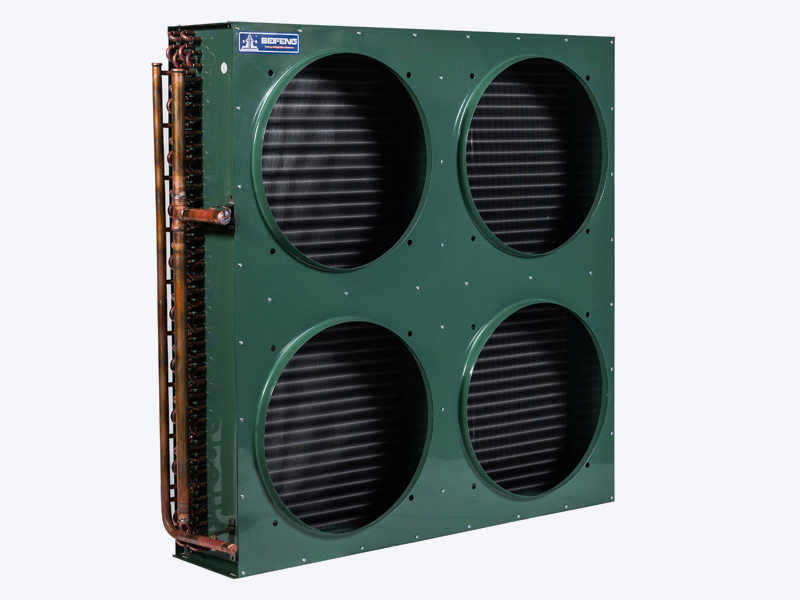
The condenser is a critical component of the Screw-Type Condensing Unit, responsible for rejecting heat from the refrigerant. In high ambient temperatures, efficient heat rejection is crucial to maintaining system performance. The condenser coils are typically designed with larger surface areas and high-efficiency materials to maximize heat exchange. Many units incorporate micro-channel heat exchangers, which further enhance heat transfer by reducing refrigerant flow resistance, leading to better heat dissipation. Additionally, multi-stage fan control or variable fan speed can be implemented to adjust the airflow based on the surrounding temperature. During hot conditions, the fans increase airflow to ensure that the condenser can effectively reject heat. In cooler conditions, the fan speed is reduced to prevent overcooling, optimizing both performance and energy usage. This flexible approach to managing airflow ensures that the Screw-Type Condensing Unit performs optimally in various environmental conditions.
4. Heat Rejection and Capacity Modulation
Heat rejection and capacity modulation are vital for adapting to temperature fluctuations, especially when operating in environments with varying cooling demands. Screw-Type Condensing Units incorporate capacity modulation features such as hot gas bypass, which allows the system to adjust the amount of refrigerant circulating through the condenser. During periods of high ambient temperatures, the system increases refrigerant flow to handle the higher heat load, ensuring that the unit can maintain a steady temperature. In lower ambient temperatures, the system reduces the refrigerant flow, preventing unnecessary energy expenditure and overcooling of the refrigerant. By modulating the system’s capacity, the unit operates more efficiently, providing the necessary cooling without overworking the components or wasting energy. This feature helps balance the system’s load during all conditions, making it more adaptable and cost-effective.
5. Pressure Regulation and Overload Protection
To ensure the Screw-Type Condensing Unit operates safely and efficiently, advanced pressure regulation and overload protection systems are incorporated. In high ambient conditions, the temperature of the refrigerant increases, which can raise the internal pressure of the system. Without adequate pressure control, the unit could experience reduced efficiency, or even damage. Pressure regulators automatically adjust the system’s internal pressure to maintain optimal operation, ensuring that the compressor and condenser do not operate under excessive strain. In cold ambient conditions, the system may experience lower-than-normal pressures, and the regulation mechanism compensates by adjusting the flow or pressure to ensure efficient heat exchange. Overload protection features, such as high-pressure switches or safety relief valves, prevent the system from reaching unsafe pressure levels, protecting the components and enhancing overall safety.
.jpg?imageView2/2/w/300/h/300/format/webp/q/75)