 English
 عربى
عربى 简体中文
简体中文
Direct Conclusion on Start-Stop Cycles
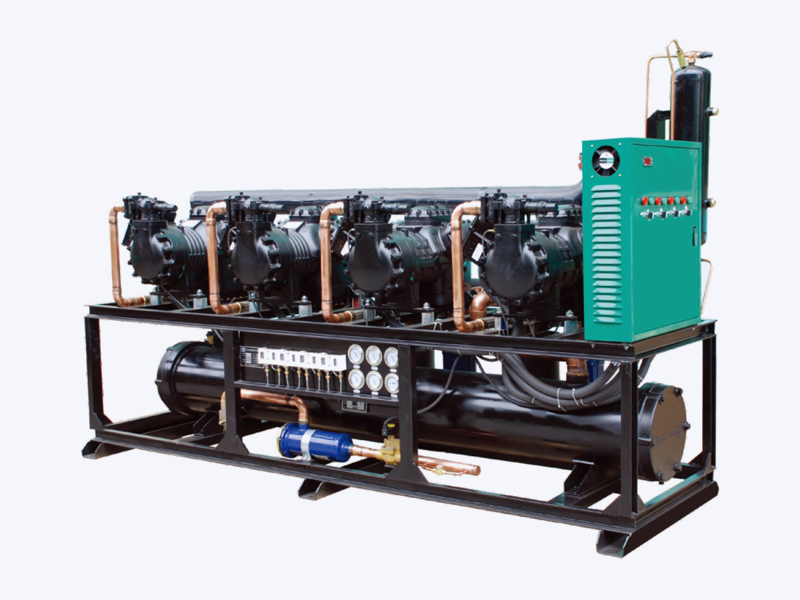
The semi-hermetic compressor can tolerate frequent start-stop cycles, but its efficiency and lifespan may decrease significantly if cycles are too frequent or improperly managed. Modern designs incorporate protections such as anti-short cycling timers and oil retention systems to mitigate damage.
Impact of Frequent Cycling on Compressor Components
Frequent start-stop cycles place mechanical and thermal stress on semi-hermetic compressors. Key areas affected include:
- Motor windings: Repeated starts cause higher inrush currents, increasing thermal stress.
- Pistons and bearings: Short cycling prevents proper lubrication distribution, leading to premature wear.
- Valves: Constant pressure fluctuations may increase valve fatigue and leakage risk.
- Oil system: Insufficient run time reduces oil return, potentially starving moving components of lubrication.
Electrical Considerations During Frequent Cycling
Semi-hermetic compressors experience high inrush current during startup. Repeated cycling increases stress on:
- Contactors and relays: Faster wear due to frequent switching.
- Overload protection: Risk of nuisance tripping if thermal buildup occurs too rapidly.
Integrating a minimum off-time delay or using soft starters can reduce these stresses significantly.
Performance Metrics Affected by Start-Stop Cycles
Frequent cycling impacts the operational efficiency of a semi-hermetic compressor. Observed effects include:
| Metric | Normal Operation | Frequent Cycling |
|---|---|---|
| Energy Efficiency (COP) | 4.0 | 3.2 |
| Compressor Lifespan | ~12 years | 8-9 years |
| Maintenance Frequency | Annual | Every 6-8 months |
Strategies to Optimize Performance Under Variable Loads
To mitigate the negative effects of frequent start-stop cycles, consider the following strategies:
- Implement anti-short cycling timers: Ensures a minimum off period between starts to protect motor windings.
- Use variable frequency drives (VFDs): Allows smooth ramp-up and ramp-down, reducing mechanical stress.
- Ensure adequate oil management: Use crankcase heaters or oil separators to maintain proper lubrication during short cycles.
- Regular maintenance checks: Monitor valve integrity, bearing condition, and electrical components more frequently.
- Load staging: For multi-compressor systems, stagger start times to reduce simultaneous cycling impact.
Case Study: Semi-Hermetic Compressor in Variable Load HVAC System
The commercial HVAC system with three 20 HP semi-hermetic compressors experienced frequent load fluctuations. Before implementing anti-short cycling timers, compressors ran 20-25 starts per hour, resulting in 10% higher energy consumption and increased bearing wear. After implementing timers and VFDs, start frequency reduced to 4-5 starts per hour, improving energy efficiency by 15% and extending maintenance intervals from 6 months to annual checks.
Semi-hermetic compressors can operate under frequent start-stop cycles, but without proper mitigation strategies, mechanical wear, lubrication issues, and energy inefficiency are inevitable. Implementing timers, VFDs, proper oil management, and staged load operation ensures the compressor maintains performance, efficiency, and longevity even under variable-load conditions.