 English
 عربى
عربى 简体中文
简体中文
Simplified Installation and Reduced Infrastructure Requirements
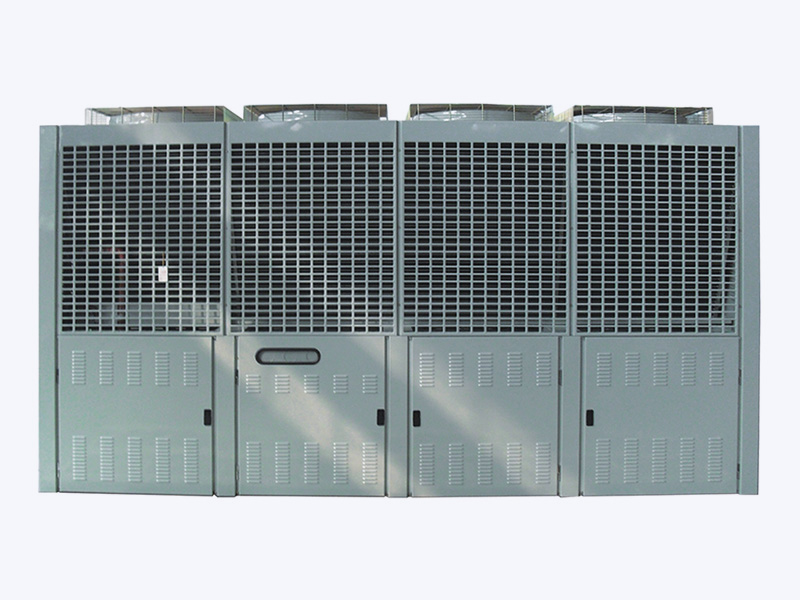
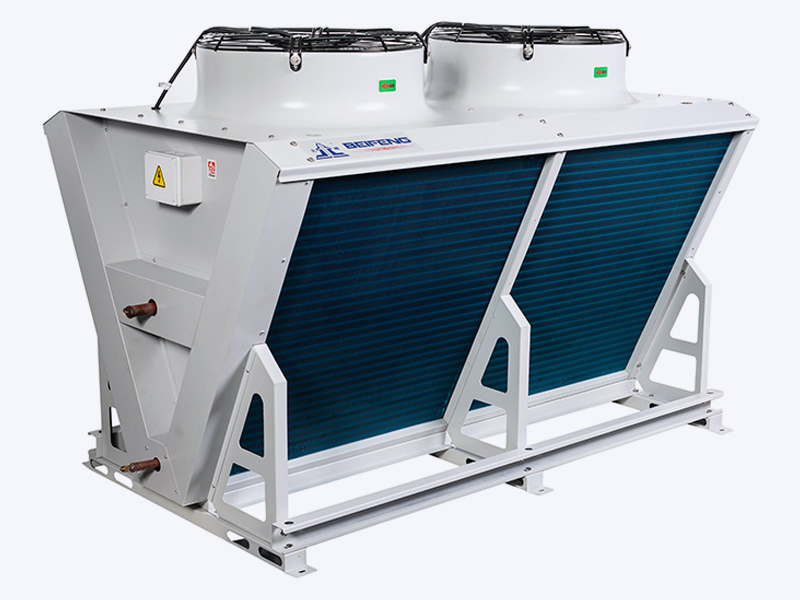
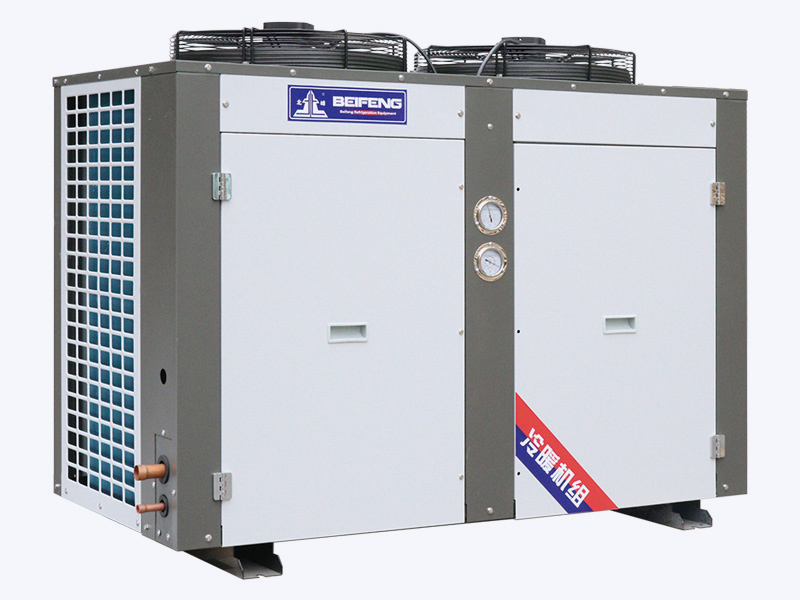
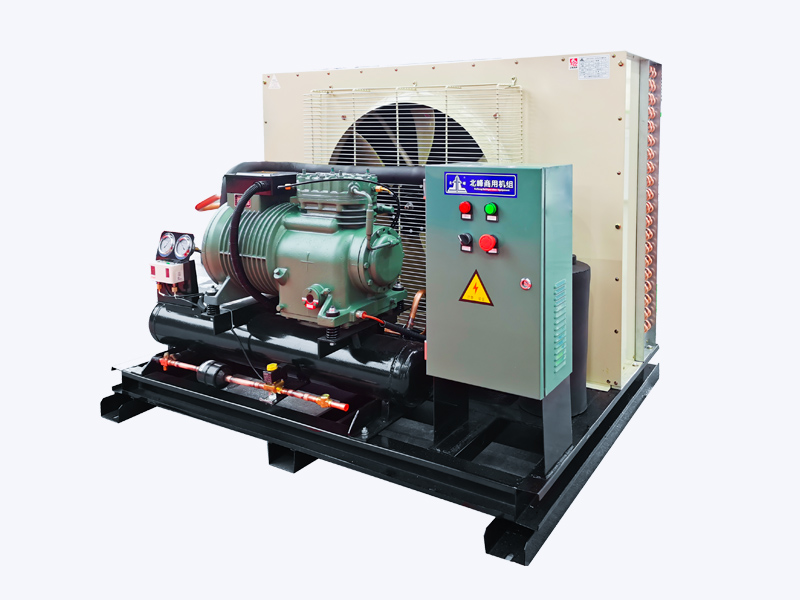
An Air-Cooled Condenser eliminates the need for complex water supply systems, cooling towers, pumps, and water treatment facilities that are required in water-cooled systems. This simplification reduces the initial installation time and cost while avoiding energy losses associated with water circulation. Without the need for extensive piping or water management infrastructure, air-cooled condensers can be installed in locations where water availability is limited or water costs are high. The reduced mechanical complexity not only streamlines the setup but also decreases the potential points of failure in the system, contributing to long-term operational efficiency.
Lower Operational Energy Consumption
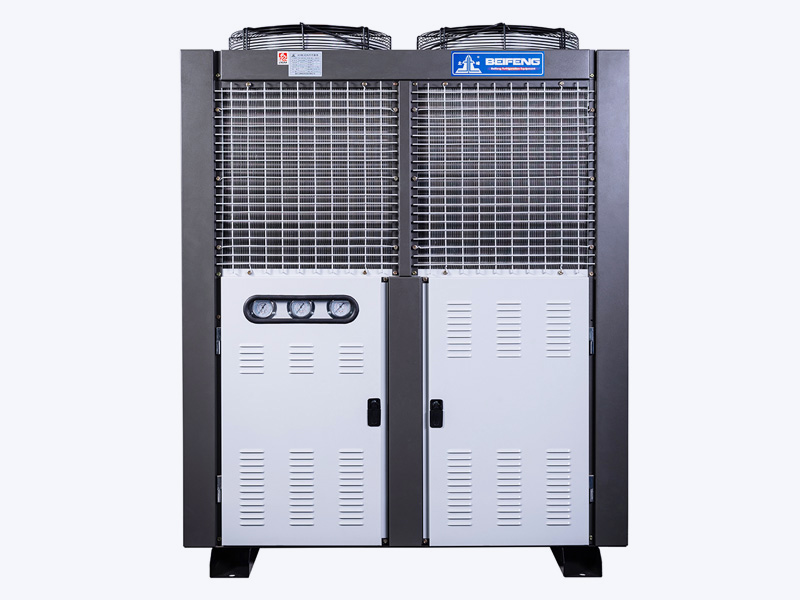
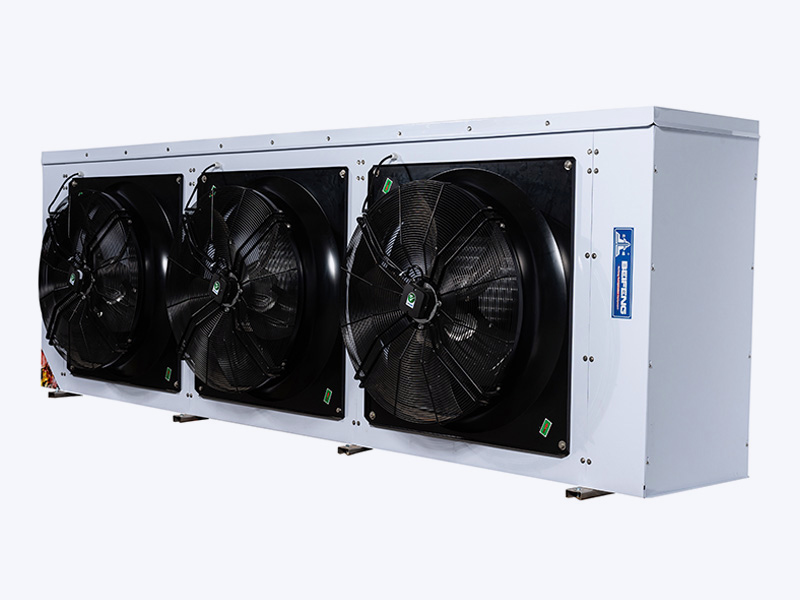
Air-Cooled Condensers rely primarily on fans to circulate ambient air over the condenser coils, eliminating the energy consumption associated with water pumps in water-cooled systems. Modern air-cooled designs utilize high-efficiency fans with optimized blade geometry and airflow management to maximize heat rejection while minimizing electrical consumption. By reducing the energy required for auxiliary components, the overall operating cost of the cooling system is lowered. This efficient energy profile is particularly advantageous in commercial or industrial applications where continuous operation can result in significant energy savings over time.
Reduced Water Dependency and Conservation
Unlike water-cooled systems that consume large quantities of water for cooling and evaporation in towers, an Air-Cooled Condenser operates without relying on water. This eliminates costs and environmental impacts associated with water procurement, treatment, and disposal. By conserving water, air-cooled systems are more sustainable and suitable for regions with water scarcity or strict environmental regulations. The reduction in water dependency also removes concerns related to scaling, corrosion, and chemical treatment, which can reduce heat transfer efficiency in water-cooled systems over time.
Consistent Performance Across Varying Loads
The performance of an Air-Cooled Condenser is largely determined by the ambient air temperature and the efficiency of the fan system rather than the flow rate or temperature of water, as in water-cooled systems. This makes air-cooled systems more predictable under varying load conditions, such as peak cooling demand or intermittent operation. Properly designed coil surface area and fan capacity ensure that heat rejection remains consistent, even when environmental or operational conditions fluctuate. This reliability in performance contributes to overall system efficiency, allowing compressors and other components to operate closer to optimal conditions without energy waste.
Lower Maintenance Requirements
Air-cooled systems are inherently easier to maintain than water-cooled systems because they do not involve circulating water, which can cause scaling, corrosion, or biological growth such as algae in cooling towers. These water-related issues in water-cooled systems often require regular cleaning, chemical treatment, and monitoring, which consume both energy and labor. Air-Cooled Condensers avoid these challenges, allowing for more consistent operation and maintaining optimal heat transfer efficiency over time. Reduced maintenance needs also decrease system downtime and extend the service life of the condenser.
Environmental and Energy Efficiency Considerations
By eliminating water usage, Air-Cooled Condensers avoid energy-intensive water treatment processes and chemical consumption. Additionally, modern designs incorporate features such as microchannel coils, finned tube construction, and variable-speed fans, which optimize heat transfer and reduce the workload on the compressor. Efficient heat rejection reduces energy consumption and enhances overall system performance. These improvements not only lower operating costs but also support sustainable energy use, making air-cooled systems an environmentally responsible choice for both commercial and industrial applications.
Flexibility and Scalability
Air-Cooled Condensers offer greater flexibility in system design compared to water-cooled systems. They can be installed in locations without water supply constraints, on rooftops, or in remote areas where water infrastructure is not feasible. Additionally, air-cooled systems can be easily scaled to meet incremental capacity requirements without redesigning water supply or cooling tower infrastructure. This flexibility allows for efficient energy use by right-sizing the system according to actual demand, avoiding inefficiencies associated with oversizing typical in water-cooled setups.
Enhanced Reliability in Extreme Conditions
Air-cooled systems are less susceptible to external variables that can affect water-cooled condensers, such as water supply interruptions, freezing conditions, or water quality issues. An Air-Cooled Condenser relies solely on ambient air and fans, which ensures continuous operation even under extreme weather conditions or during maintenance of other systems. This reliability ensures consistent heat rejection, maintains energy efficiency, and minimizes the risk of system downtime, providing operational stability and long-term performance advantages over water-cooled alternatives.