 English
 عربى
عربى 简体中文
简体中文
When evaluating long-term investment in refrigeration equipment, service life is one of the most critical factors. A properly maintained water cooled condenser typically lasts 20 to 30 years, while an air-cooled condenser generally has a service life of 15 to 20 years. This gap — often a decade or more — has significant implications for total cost of ownership, system reliability, and capital planning. However, the word "properly" carries enormous weight: water quality management is the defining variable that either extends or dramatically shortens the life of a water cooled condenser.
Service Life at a Glance: Water Cooled vs Air Cooled
Before diving into the details, the table below summarizes the typical service life expectations and key influencing factors for both condenser types used in chiller and refrigeration equipment systems.
| Factor | Water Cooled Condenser | Air Cooled Condenser |
|---|---|---|
| Typical Service Life | 20 – 30 years | 15 – 20 years |
| Primary Wear Mechanism | Tube scaling, corrosion, biological fouling | Fin corrosion, coil degradation, UV exposure |
| Environment Sensitivity | Water chemistry, temperature | Ambient air quality, coastal/industrial exposure |
| Maintenance Complexity | High (water treatment required) | Low to Medium |
| Indoor / Outdoor Installation | Typically indoor (mechanical room) | Outdoor (rooftop or ground-level) |
| Replacement Cost Driver | Tube bundle replacement or full unit | Coil or full unit replacement |
Why Water Cooled Condensers Last Longer Under Ideal Conditions
The longevity advantage of a water cooled condenser comes down to its protected operating environment. Unlike air-cooled units exposed to UV radiation, wind-driven debris, humidity swings, and corrosive coastal or industrial air, a water cooled condenser is housed indoors — typically in a mechanical plant room — shielded from environmental stressors that physically degrade materials over time.
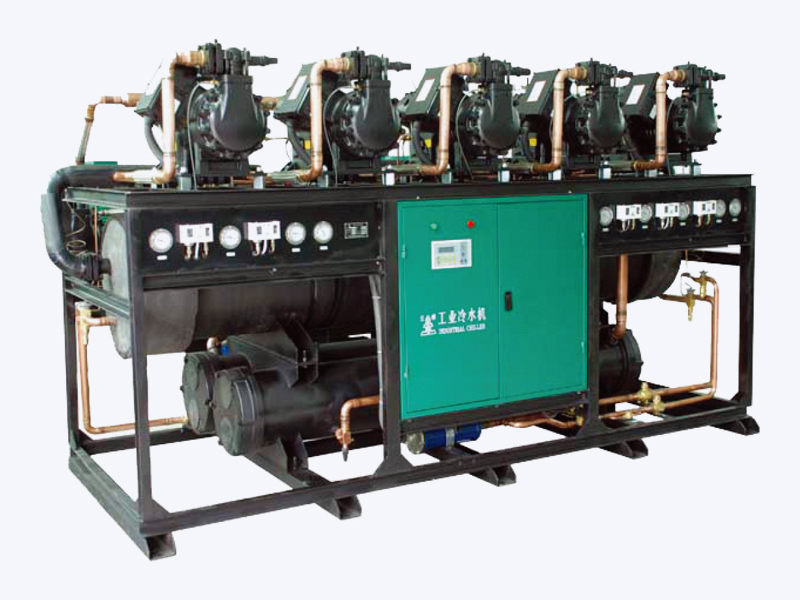
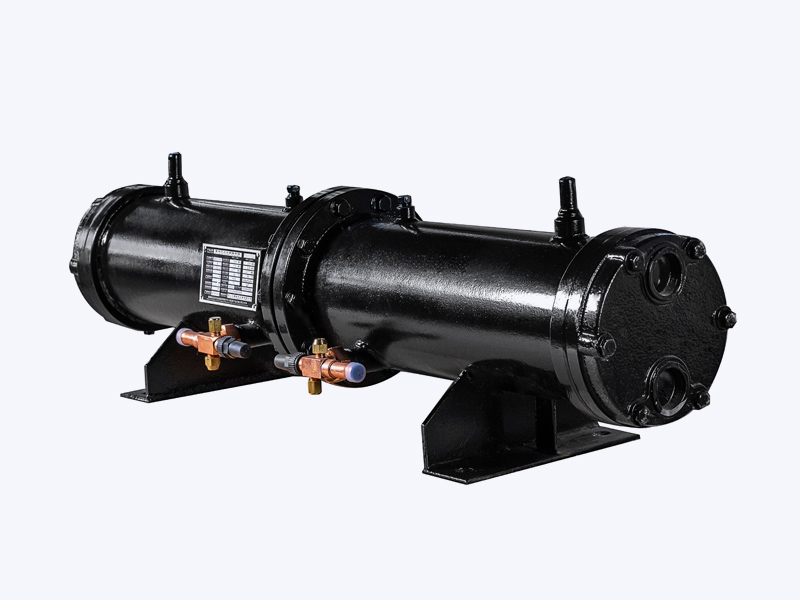
The shell-and-tube design used in most water cooled condensers is inherently robust. The outer shell is constructed from carbon steel or stainless steel, while internal tubes are commonly made from copper, cupronickel, or titanium — materials selected for their thermal conductivity and corrosion resistance. When water chemistry is controlled, these materials can sustain high-pressure refrigerant cycles for decades without structural failure.
In large-scale chiller systems — such as those powering commercial buildings, hospitals, or data centers — the water cooled condenser operates as the heart of a closed or semi-closed loop. This predictable operating environment allows engineers to optimize conditions, rather than react to unpredictable weather variables.
The Role of Water Treatment in Lifespan Extension
Water treatment is not optional — it is the single most important maintenance practice for a water cooled condenser. Without it, the theoretical 25-year lifespan can collapse to fewer than 10 years. The three main threats from poor water quality are:
- Scale deposits: Hard water with high calcium and magnesium concentrations forms calcite scale on tube walls. Even a 1mm scale layer can reduce heat transfer efficiency by up to 10%, and over time causes localized overheating and tube wall stress.
- Corrosion: Low pH water or the presence of dissolved oxygen, chlorides, or ammonia accelerates electrochemical corrosion of copper tubes and steel components, leading to pitting and eventual perforation.
- Biological fouling: Bacteria, algae, and biofilm — including Legionella — can colonize cooling water circuits. Beyond the health risk, biofilm acts as an insulating layer that further impairs heat exchange and harbors corrosive microorganisms.
A proper water treatment program for a water cooled condenser loop typically includes pH control (maintained between 7.0 and 8.5), chemical scale and corrosion inhibitors, biocide dosing on a scheduled cycle, and blowdown management to control the concentration ratio of dissolved solids. When these protocols are consistently followed, tube bundles can remain in service for 20 years or more before requiring replacement.
Air Cooled Condenser: Where It Ages Faster and Why
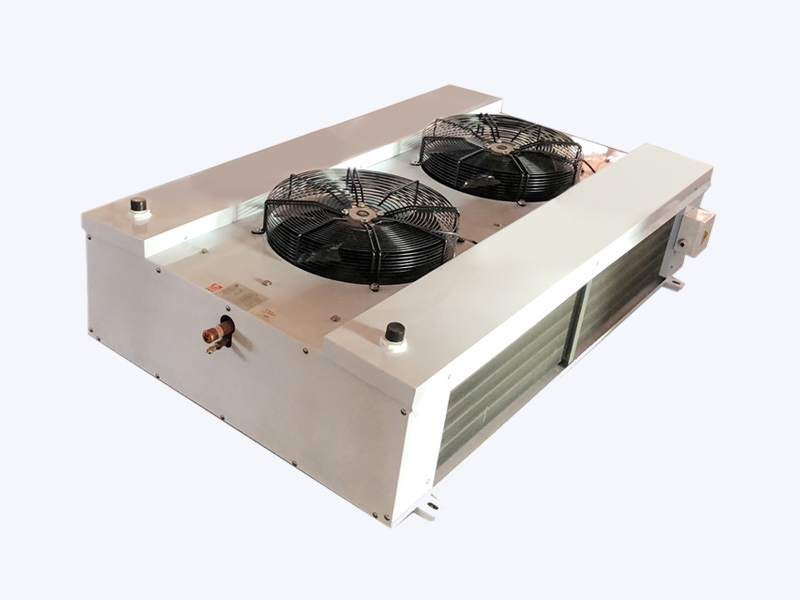
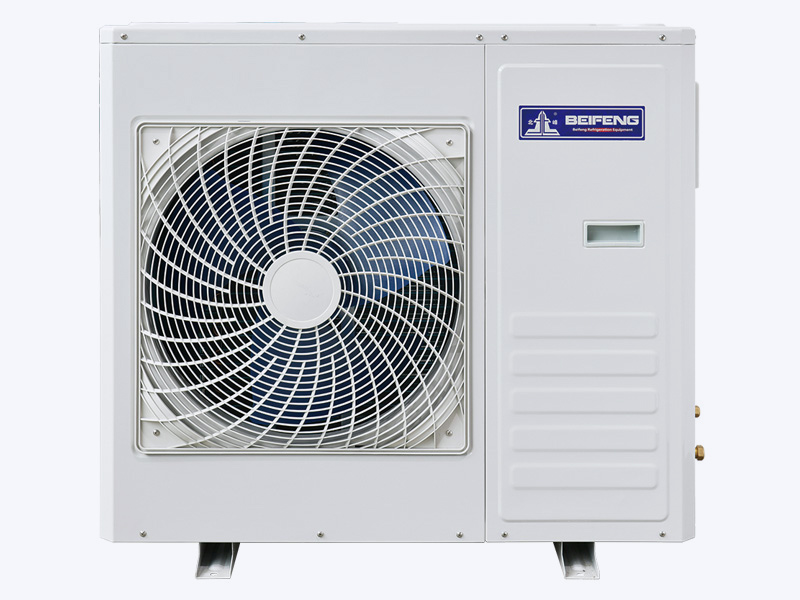
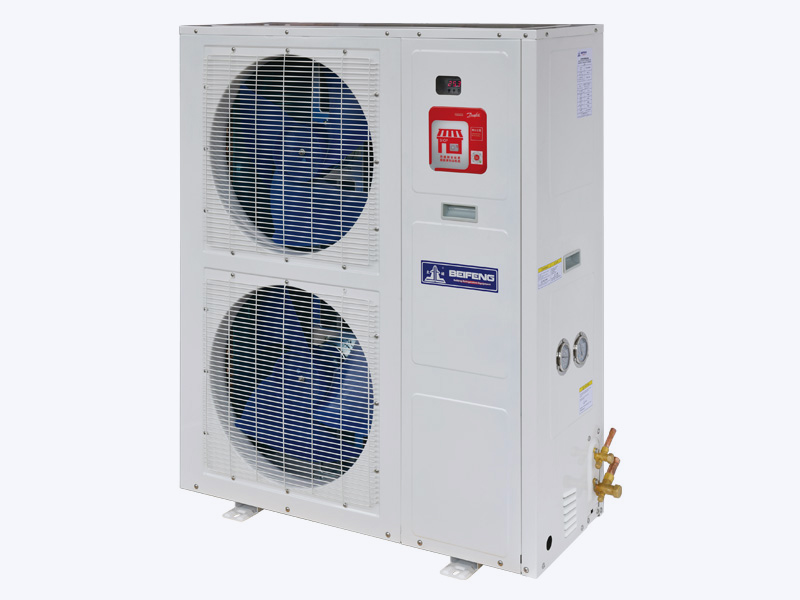
An air cooled condenser faces a fundamentally different set of aging pressures. Constant outdoor exposure is the dominant factor. The aluminum fins and copper tubes of a typical air cooled condenser coil are vulnerable to:
- Fin corrosion: In coastal environments, salt-laden air attacks aluminum fins aggressively. Without epoxy-coated or phenolic-coated fins, fin erosion can begin within 3 to 5 years in marine climates.
- UV degradation: Plastic components, fan blade materials, and wiring conduits suffer UV-induced brittleness over years of sun exposure.
- Mechanical wear: Fan motors and bearings on an air cooled condenser operate continuously and are exposed to dust, insects, and debris that can clog airflow and accelerate motor wear.
- Thermal cycling stress: Daily and seasonal temperature swings cause repeated expansion and contraction of refrigerant coils, eventually leading to micro-fractures at brazed joints.
For refrigeration equipment operating in harsh climates — desert heat, industrial pollution zones, or coastal regions — the realistic service life of an air cooled condenser may be closer to 12 to 15 years rather than the theoretical 20.
Maintenance Schedules That Protect Your Investment
To achieve maximum service life from either condenser type, a structured maintenance schedule is essential. Below are the recommended intervals for key maintenance tasks:
Water Cooled Condenser Maintenance
- Monthly: Water chemistry analysis (pH, conductivity, inhibitor levels, biocide residual)
- Annually: Mechanical tube cleaning (brush or high-pressure water), inspection for corrosion or pitting, pressure test
- Every 3–5 years: Full eddy current tube inspection to detect wall thinning before leaks develop
- As needed: Chemical descaling if scale index indicates buildup beyond acceptable limits
Air Cooled Condenser Maintenance
- Monthly: Coil visual inspection, fan blade condition check, debris clearance from coil face
- Bi-annually: Coil cleaning with approved coil cleaner, fan motor bearing lubrication, electrical connection check
- Annually: Full refrigerant circuit leak check, fin straightening if damaged, protective coating inspection in corrosive environments
Component-Level Lifespan: Tubes, Fans, and Coils
It is worth distinguishing between the lifespan of the complete unit and its individual components, since partial replacements are common in both condenser types.
In a water cooled condenser, the tube bundle is the most maintenance-intensive component. Copper tubes in a well-treated system can last 20 to 25 years, but if water treatment lapses — even for a single season — pitting corrosion can advance rapidly. Tube plugging (sealing failed tubes) is a common remedial measure that extends unit life without full replacement. A tube bundle can typically absorb up to 10–15% plugged tubes before heat transfer performance is materially compromised.
For an air cooled condenser, the coil assembly and fan motors are the primary replacement items. Fan motors typically have a service life of 10 to 15 years depending on duty cycle and environment. Coils in treated environments (such as with epoxy coatings) can last the full life of the unit, while uncoated aluminum coils in coastal zones may require replacement after just 8 to 12 years.
Long-Term Cost Implications for Chiller Systems
When a water cooled condenser is paired with a centrifugal or screw chiller in a large commercial or industrial installation, the extended service life delivers compounding financial benefits. Avoiding a full condenser replacement — which can cost anywhere from $15,000 to over $100,000 depending on system capacity — even once during a building's operational life represents substantial savings.
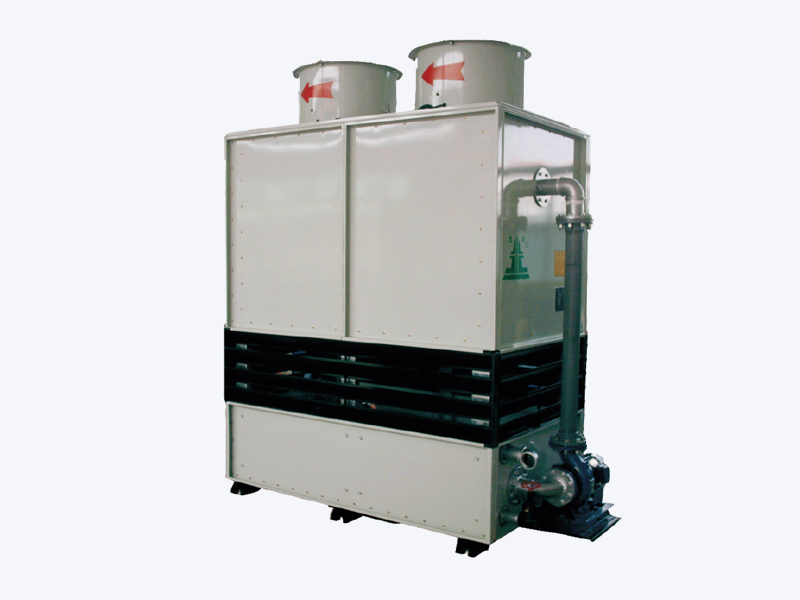
However, users must factor in the ongoing cost of water treatment chemicals, specialist labor for water analysis, and the capital cost of cooling towers or fluid coolers that support the water cooled condenser loop. These ancillary costs typically range from $2,000 to $8,000 per year for a mid-sized chiller plant, depending on system volume and local water quality.
By contrast, an air cooled condenser carries lower ongoing maintenance costs but requires more frequent capital replacement. For facilities where water availability or treatment infrastructure is a constraint, the air cooled condenser may represent a better lifecycle value despite the shorter nominal service life.
Key Takeaways for Buyers and Facility Managers
- A water cooled condenser outlives an air cooled condenser by roughly 5 to 10 years when water treatment is properly managed — making it the preferred choice for large-scale, long-lifecycle installations.
- Water treatment is not a background task — it is the primary determinant of whether a water cooled condenser reaches 25 years or fails at 10.
- Air cooled condensers offer a lower-maintenance, lower-infrastructure alternative suited to smaller refrigeration equipment, remote sites, or water-scarce regions.
- For chiller plant applications above 200 tons of cooling capacity, the water cooled condenser almost always delivers superior lifecycle economics despite higher upfront complexity.
- Eddy current testing every 3 to 5 years is strongly recommended for any water cooled condenser to catch tube degradation before it causes refrigerant leaks or unplanned shutdowns.