 English
 عربى
عربى 简体中文
简体中文
Efficient Air Exchange
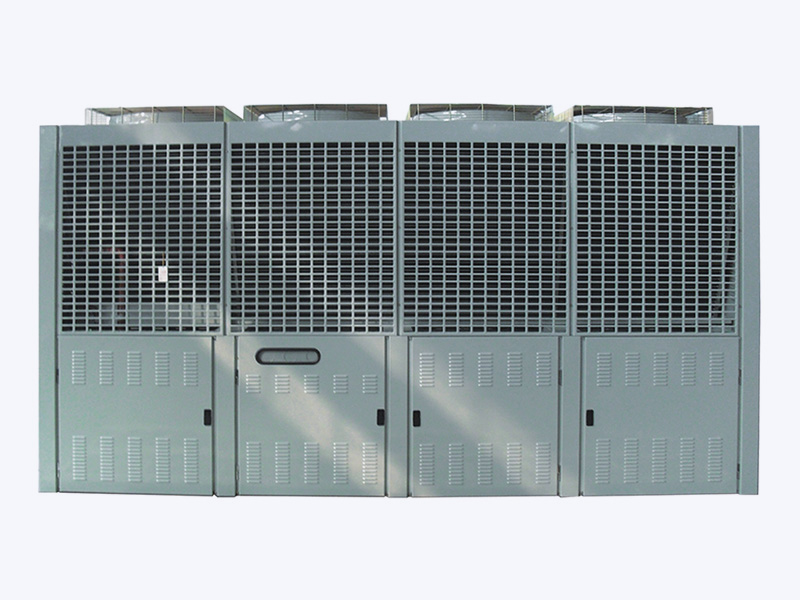
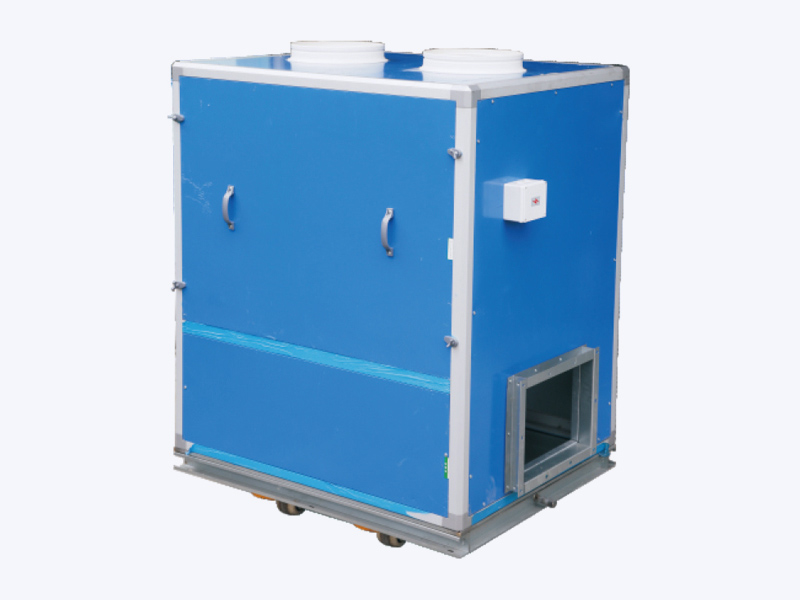
The Energy Saving Fresh Air Ventilating Unit ensures efficient air exchange by continuously providing fresh outdoor air while removing stale indoor air. In larger spaces or buildings, achieving a balanced air exchange is crucial to maintain air quality and optimize ventilation. Many traditional systems fail to effectively circulate air in large spaces, resulting in poorly ventilated areas that can negatively affect occupant comfort and health. The Energy Saving Fresh Air Ventilating Unit addresses this by using a mechanical ventilation system that manages the supply and exhaust of air at a controlled rate. This ensures that the space receives a steady flow of fresh air while eliminating pollutants such as CO2, moisture, and airborne contaminants. In turn, this process helps prevent air stagnation and ensures a consistent, comfortable indoor environment without compromising energy efficiency.
Heat Recovery Ventilation (HRV)
An advanced feature of many Energy Saving Fresh Air Ventilating Units is Heat Recovery Ventilation (HRV), which dramatically improves energy efficiency, especially in large buildings. HRV systems work by capturing the heat from the exhaust air as it leaves the building and using it to pre-heat the incoming fresh air. In colder climates, this process reduces the need for additional heating, which can otherwise consume significant energy. Similarly, in warmer climates, Energy Recovery Ventilation (ERV) can use the cooler exhaust air to help regulate the temperature of incoming air. HRV and ERV systems in large buildings optimize both ventilation and heating/cooling requirements, ensuring that the building’s HVAC system works more efficiently, reduces energy waste, and maintains a comfortable internal temperature throughout the year. This energy-saving process is particularly beneficial in spaces like office buildings, hospitals, and schools, where consistent indoor temperature and air quality are essential.
Zone-Specific Airflow Control
In large buildings or multi-zone environments, air circulation needs vary across different areas due to occupancy, environmental conditions, or specific uses of spaces. The Energy Saving Fresh Air Ventilating Unit often incorporates zone-specific airflow control, which enables the system to adapt its ventilation output based on real-time conditions. For instance, areas with high occupancy, such as meeting rooms or common areas, might require more ventilation than less frequently used spaces like storage rooms or corridors. Sensors in the system detect changes in CO2 levels, temperature, and humidity, and adjust the airflow accordingly. This targeted ventilation ensures that energy is not wasted on underused areas while still providing optimal air quality in high-traffic zones. By dynamically adjusting airflow based on the needs of each space, the system provides both energy efficiency and improved air quality, leading to a more comfortable indoor environment.
Low Energy Consumption and High Performance
One of the standout features of the Energy Saving Fresh Air Ventilating Unit is its energy efficiency. Traditional ventilation systems often consume large amounts of energy to circulate air, especially in larger spaces. However, the Energy Saving Fresh Air Ventilating Unit is designed with low-energy fans, energy-efficient motors, and advanced heat exchangers that ensure optimal airflow with minimal energy consumption. The use of variable-speed fans helps adjust the airflow based on the specific needs of the building, thereby reducing energy waste during times of lower demand, such as at night or during non-peak hours. Over time, this energy-efficient performance can lead to significant savings on utility bills, making the system a cost-effective solution for large commercial buildings, schools, healthcare facilities, and residential complexes.
Even Distribution of Fresh Air
Maintaining even air distribution is critical in large spaces to prevent pockets of stale air and maintain a consistent indoor environment. The Energy Saving Fresh Air Ventilating Unit is designed to deliver a uniform distribution of fresh air throughout the entire space. Advanced ducting systems and strategically placed supply and exhaust vents help ensure that no area is left poorly ventilated, even in complex, multi-room environments. By distributing fresh air evenly, the unit prevents discomfort in areas that might otherwise receive inadequate ventilation, such as corners or rooms far from the central air intake. This uniform airflow reduces the likelihood of hot or cold spots, humidity imbalances, and air quality issues, providing a more comfortable environment for occupants.
Increased Airflow Without Excessive Noise
In large commercial or residential spaces, noise pollution from ventilation systems can be a significant concern, especially in quiet areas like offices or bedrooms. The Energy Saving Fresh Air Ventilating Unit is specifically engineered to operate with low noise levels even when moving high volumes of air. The system utilizes sound-dampening materials and advanced fan technologies that reduce noise and vibration, making it much quieter than traditional ventilation systems. For instance, the fans are designed to operate at variable speeds, allowing them to adjust based on airflow needs without causing unnecessary noise. This quiet operation enhances comfort for building occupants, ensuring that the system contributes to a productive, pleasant, and peaceful environment.