 English
 عربى
عربى 简体中文
简体中文
Industrial Thermal Systems — Field Guide
A chiller is the quiet infrastructure behind precision manufacturing — the system that keeps molds, lasers, reactors, and server racks from drifting out of tolerance. Here is what it actually does, and how to choose the right one.
The Direct Answer: What a Chiller Actually Does
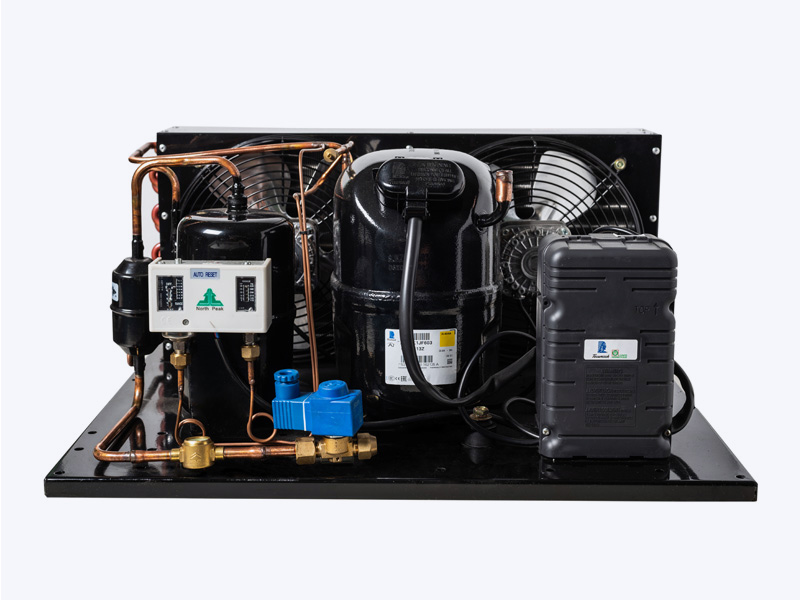
The chiller is a mechanical refrigeration system used to remove heat from a liquid — typically water or a water-glycol mixture — through a vapor-compression or absorption cycle, and then circulate that cooled liquid to absorb heat from industrial equipment, processes, or building spaces. In industrial applications, a chiller is used to keep machinery, materials, and chemical reactions within a narrow, stable temperature range so that production quality, equipment lifespan, and process safety are all protected. Without this precise temperature control, plastics warp, lasers drift out of calibration, chemical reactions run away, and electronics overheat.
Put simply, wherever a factory generates unwanted heat as a byproduct of production — from friction, from chemical exothermic reactions, from electrical resistance, or from a laser or motor running continuously — a chiller is the equipment that pulls that heat away and dumps it somewhere else, usually into ambient air or a cooling tower. The two dominant configurations used to do this are the air cooled chiller and the water cooled chiller, and understanding the difference between them is central to understanding chiller applications as a whole.
Core Industrial Applications of Chillers
Industrial chillers are not a single-purpose tool; they are a foundational utility, much like compressed air or electricity, that supports dozens of downstream processes. The following are the most common categories where a chiller is deployed on a factory floor.
Plastics and Rubber Processing
In injection molding, extrusion, and blow molding, molten plastic must be cooled at a controlled rate so the finished part holds its dimensions and surface finish. A chiller circulates cold water through the mold cavity, and inconsistent water temperature is one of the leading causes of part warping, sink marks, and cycle-time variation. Rubber processing uses chillers in a similar way, particularly to prevent scorching during compounding.
Metalworking and Machine Tools
CNC machining centers, laser cutters, and welding equipment generate significant frictional and electrical heat. A chiller cools the spindle, the laser resonator, or the welding transformer, protecting tight machining tolerances that can be as small as ±0.005 mm on precision parts. Without stable coolant temperature, thermal expansion in the spindle housing alone can throw off tolerances beyond acceptable limits.
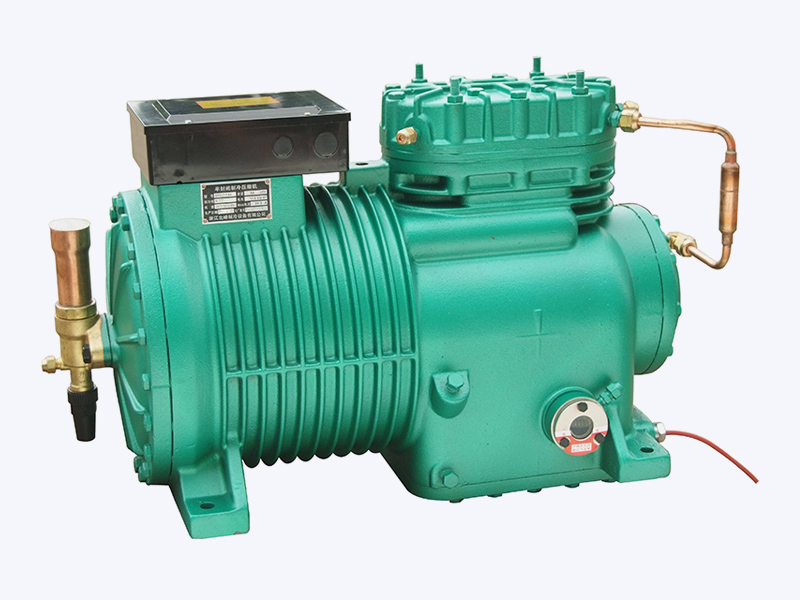
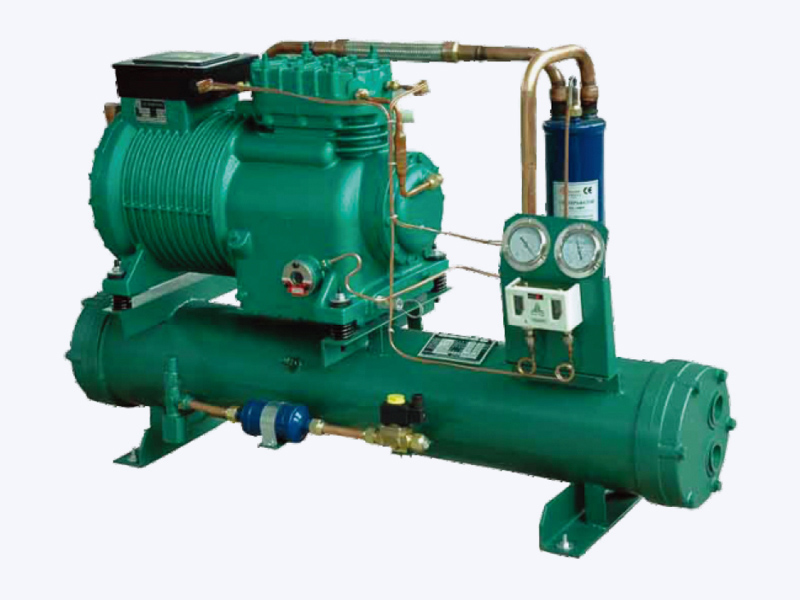
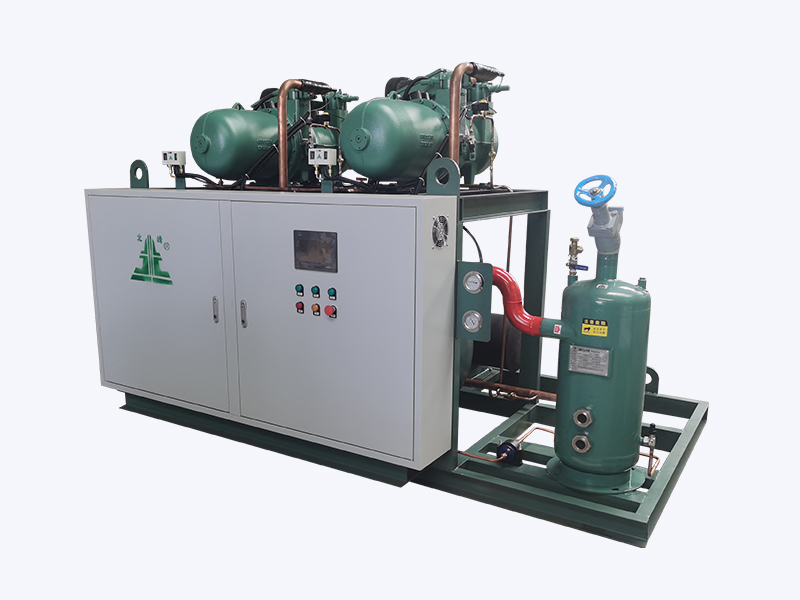
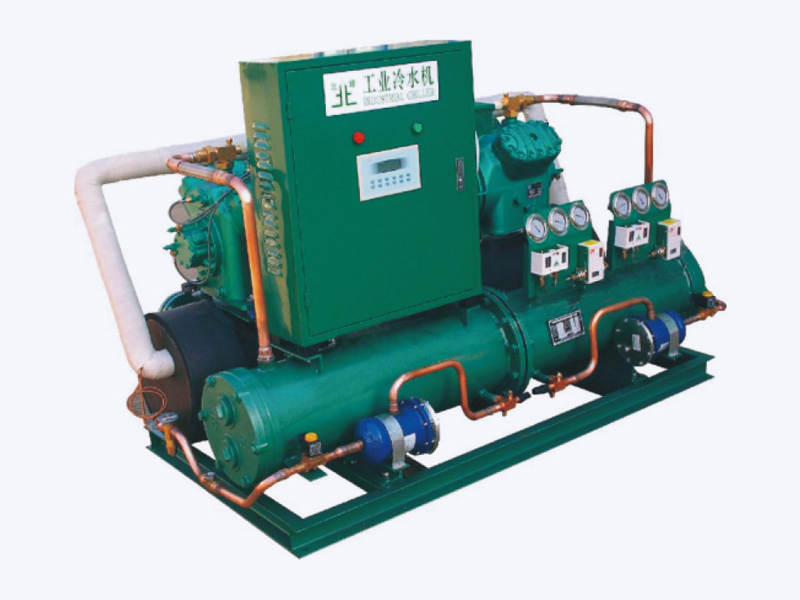
chiller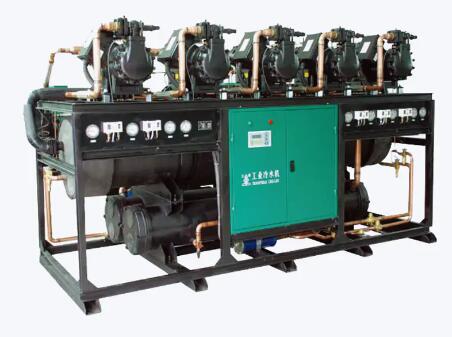
Chemical, Pharmaceutical, and Food Processing
Many chemical reactions are exothermic and must be cooled continuously to prevent runaway reactions or to hit a specific reaction endpoint. Pharmaceutical manufacturing uses chillers to control fermentation and crystallization temperatures, while food and beverage plants rely on them for pasteurization cooling, dough proofing control, and rapid chilling of dairy or brewed products.
Data Centers and Electronics Manufacturing
Server rooms and semiconductor fabrication facilities depend on tightly controlled cooling loops. A chiller here protects sensitive electronics from thermal stress and, in fabs, helps maintain the humidity and temperature stability that clean-room processes require.
Medical and Laboratory Equipment
MRI machines, laser surgical equipment, and laboratory analyzers generate heat during operation and often require dedicated chiller loops separate from the building's general HVAC system to guarantee uptime and diagnostic accuracy.
Air Cooled Chiller vs. Water Cooled Chiller: Choosing the Right System
Once a facility identifies that it needs cooling, the next decision is how the chiller itself rejects the heat it collects. This is where the choice between an air cooled chiller and a water cooled chiller becomes critical, and it shapes everything from installation cost to long-term energy consumption.
How an Air Cooled Chiller Works
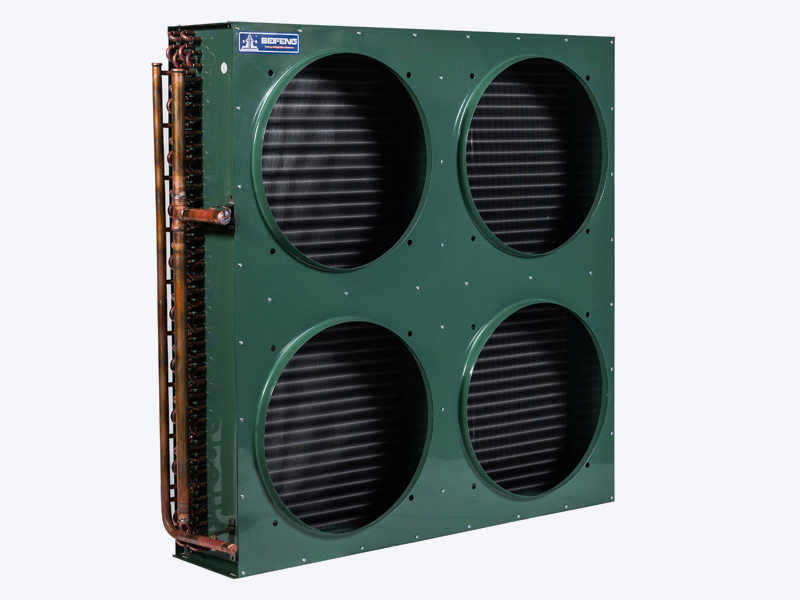
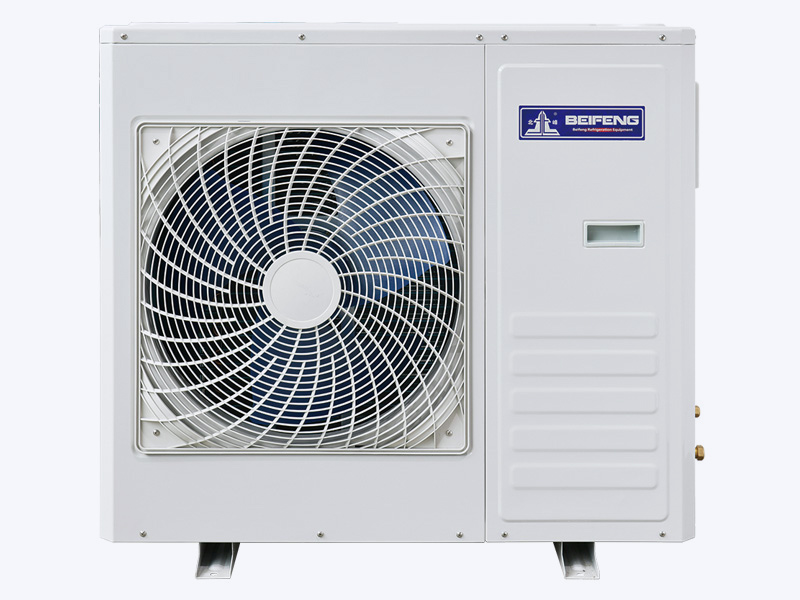
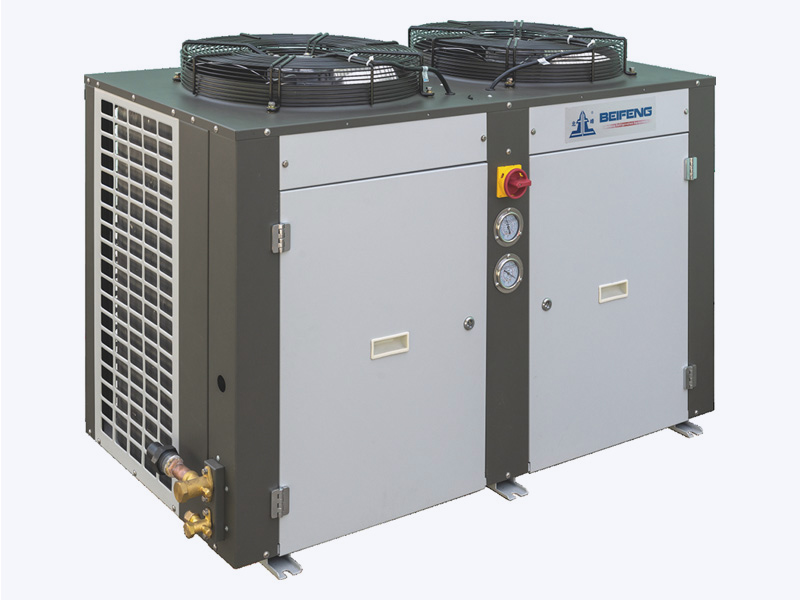
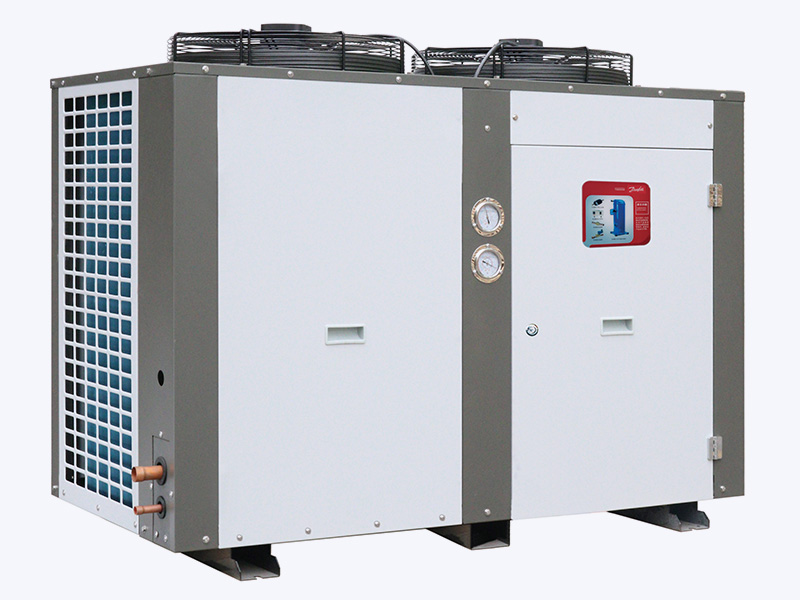
An air cooled chiller rejects heat directly into the surrounding atmosphere using an integrated air cooled condenser and a bank of fans. Ambient air is drawn across finned condenser coils, which cools the refrigerant and allows the cycle to repeat. Because it does not require a separate water source or cooling tower, an air cooled chiller is simpler to install, needs less maintenance infrastructure, and is a common choice for facilities where water is scarce, expensive, or where roof or outdoor yard space is available for the unit.
How a Water Cooled Chiller Works
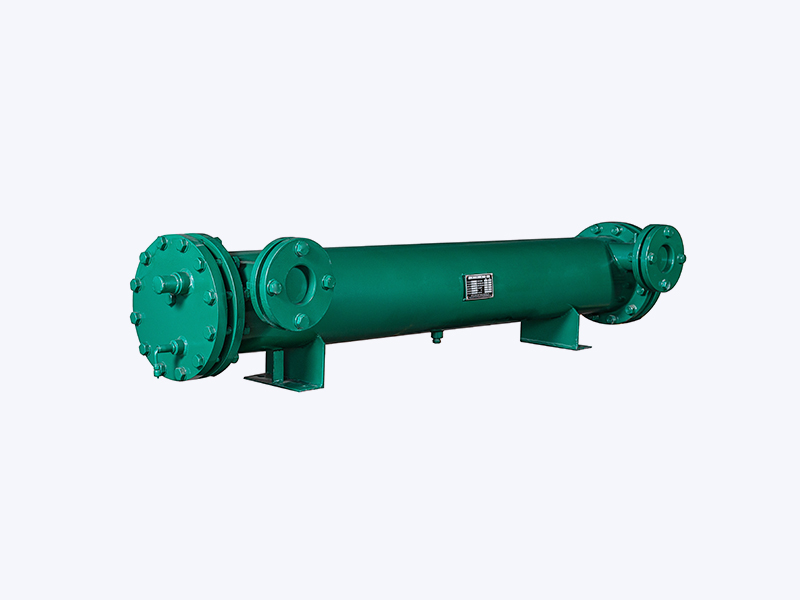
A water cooled chiller instead rejects heat into a separate condenser water loop, which is then cooled by a cooling tower before recirculating. Because water conducts heat more efficiently than air, a water cooled chiller typically operates at a lower condensing temperature, which translates into meaningfully better energy efficiency, particularly in large-tonnage or continuous-duty applications. The tradeoff is a larger mechanical footprint, ongoing water treatment requirements, and higher upfront installation complexity due to the cooling tower and piping loop.
Side-by-Side Comparison
| Factor | Air Cooled Chiller | Water Cooled Chiller |
|---|---|---|
| Installation complexity | Lower — standalone unit | Higher — requires cooling tower and piping |
| Water consumption | None | Ongoing, requires treatment |
| Energy efficiency at scale | Lower in hot climates | Higher, especially above 100 tons |
| Typical placement | Outdoors, rooftop or yard | Indoors, mechanical room |
| Maintenance demand | Lower | Higher, tower and water treatment |
Why Temperature Stability Matters More Than Raw Cooling Power
A common misconception is that a chiller's main job is simply to produce cold water. In practice, the more important function is stability — holding the supply temperature within a tight tolerance, often ±1°C, regardless of how the process load fluctuates. A chiller that swings by several degrees under load can be more damaging to a precision process than one that runs slightly warmer but holds steady.
The goal is not maximum cooling capacity but consistent, repeatable thermal behavior across every production shift.
This is why industrial chillers are typically specified with a buffer tank, variable-speed compressors, and closed-loop PID temperature control rather than simple on-off cycling.
Sizing and Selecting a Chiller for Your Application
Selecting the correct chiller starts with calculating the actual heat load of the process, not simply matching the horsepower of the equipment being cooled. Key inputs include the heat generated per hour, the required supply water temperature, the ambient conditions at the installation site, and the acceptable temperature differential between supply and return water.
- Calculate total heat load from all connected equipment, including a safety margin of 10–20%.
- Determine required outlet water temperature based on process sensitivity.
- Evaluate site conditions — available space, ambient temperature range, and water access.
- Choose between air cooled and water cooled configuration based on efficiency needs and infrastructure.
- Confirm control system compatibility with existing plant automation.
Warning
Undersizing a chiller is one of the most common and costly mistakes in industrial procurement. A unit that is marginally too small will run continuously at full load, shortening compressor life and failing to hold temperature during peak production.
Info
Oversizing, on the other hand, leads to excessive short-cycling and wasted energy, particularly with fixed-speed compressors.
Maintenance Practices That Extend Chiller Service Life
Whether a facility runs an air cooled chiller or a water cooled chiller, routine maintenance is what determines whether the system reaches its expected 15–20 year service life or fails prematurely. For an air cooled chiller, the air cooled condenser coils need regular cleaning, since dust and debris buildup on the fins reduces heat rejection efficiency and forces the compressor to work harder. For a water cooled chiller, condenser tube cleaning and water treatment to prevent scaling and biological growth are equally critical, since fouled tubes can reduce heat transfer efficiency by 20% or more within a single season if left untreated.
Other standard maintenance items include refrigerant charge verification, compressor oil analysis, and inspection of expansion valves and sensors. Facilities that implement scheduled preventive maintenance programs typically see fewer unplanned production stoppages tied to cooling failures compared to those operating on a run-to-failure basis.
Success
A well-maintained condenser loop — air-side or water-side — is the single cheapest insurance policy against unplanned production downtime.
Common Signs a Chiller Needs Attention
Recognizing early warning signs prevents small chiller issues from becoming full production stoppages. Facility teams should watch for the following indicators.
- Supply water temperature drifting outside the normal set-point range.
- Compressor cycling more frequently than usual.
- Rising discharge pressure readings on the refrigeration circuit.
- Unusual noise or vibration from the compressor or fans.
- Visible scale, algae, or corrosion inside water-side components.
Danger
Continuing to run a struggling chiller under full load often accelerates compressor wear and can lead to a complete system failure during peak production.
Final Takeaway
A chiller is used in industrial applications to provide precise, stable cooling to processes and equipment that cannot tolerate temperature fluctuation — from plastic molds and CNC spindles to chemical reactors and data center racks. The choice between an air cooled chiller and a water cooled chiller depends less on which is universally "better" and more on facility-specific factors like available water resources, ambient climate, cooling load size, and long-term energy cost goals. Regardless of configuration, consistent maintenance of the condenser — whether that means cleaning an air cooled condenser or treating a water loop — remains the single largest factor in whether a chiller delivers reliable performance across its full service life.