
 English
 عربى
عربى 简体中文
简体中文
Home Comfort & Maintenance
Do Air Coolers Cause Mold or Bacterial Growth If Not Cleaned Regularly?
A closer look at how evaporative cooling, standing water, and neglected maintenance combine to create the perfect conditions for mold — and what a consistent care routine actually looks like.
Yes, Air Coolers Can Cause Mold and Bacterial Growth If Neglected
The direct answer is yes — if an air cooler is not cleaned regularly, it can absolutely become a breeding ground for mold, mildew, and bacteria. This applies to almost every type of evaporative unit, including a standard portable air cooler, a large tower ac type cooler, and even a hybrid water cooled air conditioner. The reason is simple: these appliances rely on standing water and constantly moist cooling pads to lower air temperature, and stagnant moisture combined with warm room air creates an almost ideal environment for microbial growth.
With a consistent cleaning routine — typically once every 3 to 5 days during heavy use — the risk drops dramatically.
However, this does not mean air coolers are inherently unsafe. Mold and bacteria only become a serious problem when water tanks sit unchanged for days, cooling pads are never dried out, and internal components go months without a proper wipe-down. The rest of this article breaks down exactly why this happens, what parts of the unit are most vulnerable, and how to keep your cooler running clean and healthy.
Why Air Coolers Are More Prone to Mold Than Air Conditioners
Traditional refrigerant-based air conditioners cool air by passing it over cold coils, and any condensation is usually drained away or evaporated quickly. Air coolers work on a completely different principle: they pull warm air through water-soaked pads, and the evaporation process itself is what cools the air. This means water is constantly present inside the unit, often sitting in an open tank for hours or days at a time.
The Core Difference in Design
A standard split or window air conditioner has a mostly sealed refrigerant loop, so there is limited exposure to open, standing water. An air cooler, by contrast, has an open reservoir, a pump, and absorbent cooling pads — three components that all stay damp during operation. Even a more advanced water cooled air conditioner, which uses water to assist heat exchange rather than pure evaporation, still involves water lines, tanks, and pads that require periodic draining and cleaning to avoid buildup.
Air coolers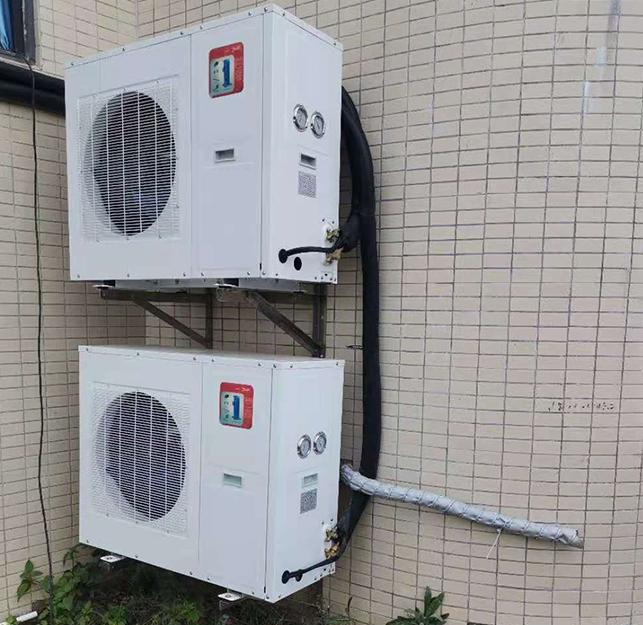
- Open water tanks allow airborne spores to settle and multiply.
- Cooling pads stay damp for hours, encouraging fungal growth.
- Warm ambient temperatures during summer accelerate bacterial reproduction.
- Stagnant water without circulation encourages algae and slime formation.
The Parts of an Air Cooler Most Likely to Grow Mold
Not every component of an air cooler carries equal risk. Understanding which parts need the most attention helps prioritize your cleaning routine.
| Component | Risk Level | Common Issue |
|---|---|---|
| Cooling Pads | High | Mold spots, musty odor, discoloration |
| Water Tank | High | Algae film, slimy residue |
| Water Pump | Medium | Mineral scale, bacterial film |
| Fan Blades | Low | Dust accumulation, minor mold spread |
| Water Lines (water cooled air conditioner models) | Medium | Internal biofilm buildup |
The cooling pads deserve special attention because they are made of absorbent materials like cellulose or wood wool, which naturally hold moisture for extended periods. If left wet without airflow — for instance, when the unit is switched off overnight with water still inside — pads can develop visible mold within just 48 to 72 hours in warm, humid conditions.
Signs That Your Air Cooler Already Has Mold or Bacteria
Recognizing early warning signs allows you to address contamination before it spreads throughout the unit or affects indoor air quality.
- A musty or sour smell coming from the airflow, especially noticeable when the unit first starts.
- Visible black, green, or gray spots on the cooling pads or inside the tank.
- A slippery or slimy film on the interior tank walls.
- Reduced cooling efficiency, as clogged pads restrict airflow and water absorption.
- Unexplained allergy symptoms, coughing, or throat irritation among household members.
Note — If you notice two or more of these signs, it is a strong indication that the unit needs an immediate deep clean rather than routine maintenance alone.
Health Risks Linked to Poorly Maintained Air Coolers
Mold spores and bacteria released from a contaminated cooler do not stay contained inside the machine — they get pushed directly into the air you breathe. This is particularly concerning in bedrooms or small offices where the unit runs for many hours at a time.
Common Health Effects
Exposure to mold-contaminated air can trigger nasal congestion, sneezing, itchy eyes, and skin irritation, particularly in people with asthma or existing respiratory conditions. In more severe cases, prolonged exposure to certain mold species has been associated with chronic sinus infections and worsened allergy symptoms. While an ac type cooler is generally safe for healthy adults when cleaned properly, households with young children, elderly members, or immunocompromised individuals should be especially diligent about maintenance schedules.
Caution — households with young children, elderly members, or immunocompromised individuals should be especially diligent about maintenance schedules.
How a Water Cooled Air Conditioner Compares to a Basic Evaporative Cooler
Many buyers assume that a more advanced water cooled air conditioner automatically avoids the mold issues associated with simple evaporative units. This is only partially true. These systems use water circulation to assist heat exchange rather than relying purely on pad evaporation, which can reduce some moisture exposure. However, they still contain water reservoirs, pumps, and tubing that require periodic flushing.
| Feature | Basic Air Cooler | Water Cooled Air Conditioner |
|---|---|---|
| Water Exposure | High (open tank and pads) | Moderate (semi-closed system) |
| Cleaning Frequency Needed | Every 3-5 days | Every 1-2 weeks |
| Mold Risk in Humid Climates | Very High | Moderate |
| Upfront Cost | Low | Higher |
Comparing mold risk and maintenance needs between basic evaporative coolers and water cooled air conditioners.
In short, upgrading to a water cooled air conditioner can reduce, but not eliminate, the risk of microbial growth. The underlying rule remains the same across all types: standing water plus warmth plus neglect equals mold.
A Practical Cleaning Schedule to Prevent Mold Buildup
Preventing mold is far easier than removing it once it has spread. A consistent, low-effort routine keeps any ac type cooler running safely throughout the cooling season.
Daily and Every-Few-Days Tasks
- Empty and refill the water tank every 2 to 3 days, even if it still looks clean.
- Wipe down the interior tank walls with a soft cloth to remove early biofilm formation.
- Run the fan without water for 20-30 minutes before shutting the unit off, allowing pads to dry.
Weekly Deep Cleaning
- Remove cooling pads and rinse them under running water to flush out trapped debris.
- Scrub the tank with a mild vinegar solution to break down mineral scale and bacterial film.
- Inspect the pump for slime buildup and clean it with a soft brush.
Monthly or Seasonal Maintenance
- Replace cooling pads if they show persistent discoloration or a strong odor even after washing.
- Descale water lines on a water cooled air conditioner to prevent internal buildup.
- Fully dry and store the unit in a ventilated space at the end of the cooling season.
Water Quality and Additives That Reduce Microbial Growth
The type of water used and any additives introduced can significantly influence how quickly mold or bacteria develop. Using filtered or distilled water instead of untreated tap water reduces mineral deposits that often trap bacteria within tank residue. Some users also add a small amount of white vinegar or a manufacturer-approved antimicrobial tablet to the tank, which can slow bacterial reproduction between cleanings without damaging plastic components.
Good to know — ice cubes, sometimes added to boost cooling power, do not increase mold risk on their own, but any melted ice left sitting for days behaves exactly like standard tank water and should be changed on the same schedule.
Final Takeaway for Everyday Users
Air coolers are not inherently dirty or dangerous appliances, but their evaporative design does make them more susceptible to mold and bacterial growth than sealed refrigerant systems. Whether you own a basic evaporative unit, a modern ac type cooler, or a more sophisticated water cooled air conditioner, the underlying prevention strategy is identical: keep water fresh, dry out pads regularly, and never let the unit sit with stagnant water for more than a few days. Following a simple weekly cleaning routine, as outlined above, keeps cooling performance strong and indoor air quality safe throughout the hottest months.
.jpg?imageView2/2/w/300/h/300/format/webp/q/75)
